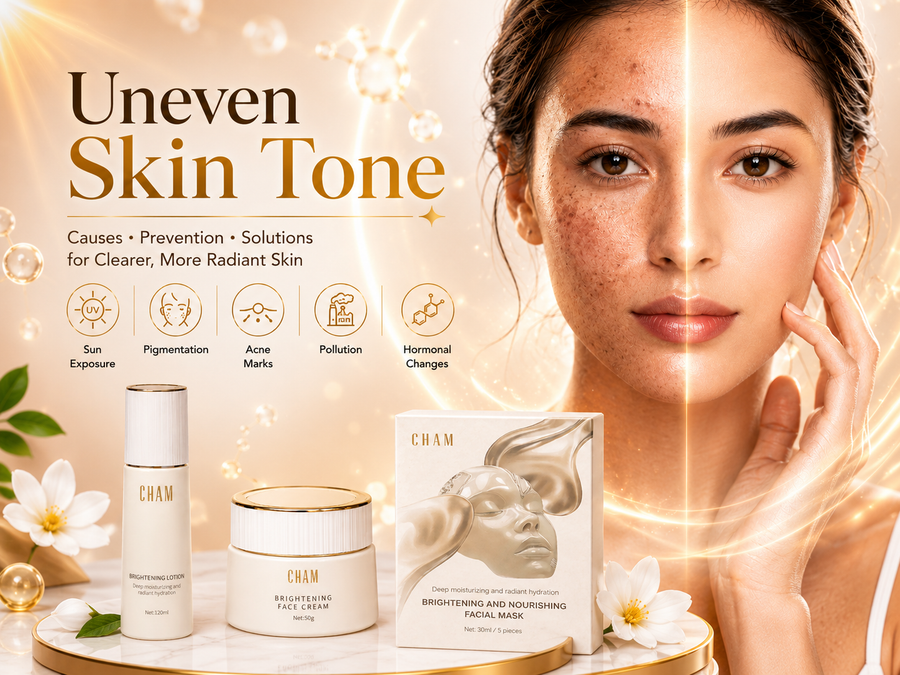
Walk into any skincare store or browse beauty products online, and you'll quickly notice two ingredients appearing everywhere: Niacinamide and Vitamin C.
Both are praised by dermatologists, loved by skincare enthusiasts, and commonly found in serums, moisturizers, and treatments. But if you're just starting your skincare journey, it can be difficult to know which one is right for you.
Should you choose Niacinamide for oily skin? Is Vitamin C better for glowing skin? Can you use both together?
The truth is that while both ingredients can help improve your skin's appearance, they work in different ways and offer different benefits.
Let's break it down in simple terms.
What Is Niacinamide?
Niacinamide is a form of Vitamin B3, a water-soluble vitamin that helps support your skin's natural barrier and overall health.
It has become one of the most popular skincare ingredients because it's gentle, versatile, and suitable for almost every skin type.
Niacinamide is commonly used to help:
-
Improve skin texture
-
Support a healthy skin barrier
-
Reduce the appearance of excess oil
-
Improve the look of uneven skin tone
-
Enhance skin hydration
One of its biggest advantages is that it's generally well tolerated, even by people with sensitive skin.
What Is Vitamin C?
Vitamin C is a powerful antioxidant that helps protect the skin from environmental stressors such as pollution and UV-induced damage.
It is widely known for its brightening properties and is often recommended for people who want to achieve a more radiant-looking complexion.
Vitamin C may help:
-
Improve skin brightness
-
Support collagen production
-
Reduce the appearance of dullness
-
Improve the appearance of dark spots
-
Defend against environmental damage
However, depending on the formulation, some Vitamin C products may feel stronger on the skin than Niacinamide.
Niacinamide vs Vitamin C: Quick Comparison
|
Feature |
Niacinamide |
Vitamin C |
|
Brightening |
High |
High |
|
Barrier Support |
Excellent |
Moderate |
|
Hydration Support |
Excellent |
Moderate |
|
Suitable for Sensitive Skin |
Usually Yes |
Can Cause Irritation |
|
Helps with Excess Oil |
Excellent |
Moderate |
|
Antioxidant Protection |
Moderate |
Excellent |
|
Beginner Friendly |
Excellent |
Moderate |
|
Daily Use |
Easy |
Easy with Proper Formula |
When to Choose Niacinamide
Niacinamide is often the safer choice if you're new to skincare or have easily irritated skin.
Choose Niacinamide If You:
Have Oily Skin
Niacinamide helps support a more balanced complexion and is frequently recommended for people who struggle with excess oil.
Have Sensitive Skin
Because it is generally gentle, Niacinamide is often better tolerated than stronger active ingredients.
Want Better Barrier Health
A healthy skin barrier is the foundation of healthy-looking skin. Niacinamide helps support the skin's natural protective function.
Experience Redness or Irritation
Niacinamide is commonly included in skincare products designed to support skin comfort.
Want an Easy-to-Use Ingredient
Niacinamide fits easily into most skincare routines and works well with many other ingredients.
When to Choose Vitamin C
Vitamin C shines when your primary goal is brightness and environmental protection.
Choose Vitamin C If You:
Want a More Radiant Complexion
Vitamin C is often associated with healthy-looking, glowing skin.
Spend Time Outdoors
As an antioxidant, Vitamin C helps support the skin against environmental stressors.
Have Dull-Looking Skin
If your skin lacks radiance, Vitamin C may help improve overall brightness.
Want Additional Anti-Aging Support
Vitamin C is widely known for supporting collagen production, which helps maintain healthy-looking skin.
Which Ingredient Is Better for Dark Spots?
This is one of the most common skincare questions.
The answer?
Both ingredients can be helpful.
Niacinamide
Supports a more even-looking skin tone and helps improve overall skin appearance.
Vitamin C
Known for its brightening properties and often used in products targeting dullness and visible discoloration.
For many people, using both ingredients in a well-designed routine may provide complementary benefits.
Which Ingredient Is Better for Oily Skin?
If excess oil is your main concern, Niacinamide usually has the advantage.
Why?
Because it helps support skin balance without stripping away essential moisture.
Many people with oily or combination skin find that Niacinamide fits comfortably into their daily routine.
Which Ingredient Is Better for Sensitive Skin?
Niacinamide is generally considered the gentler option.
While many people tolerate Vitamin C well, certain forms can occasionally cause:
-
Tingling
-
Temporary irritation
-
Sensitivity
If your skin reacts easily to new products, Niacinamide is often a good starting point.
Can You Use Niacinamide and Vitamin C Together?
Yes.
One of the biggest skincare myths from years ago was that Niacinamide and Vitamin C should never be used together.
Modern skincare research and formulations have largely disproved this concern.
Today, many products and routines successfully combine both ingredients.
How to Use Them Together
Morning Routine
-
Gentle Cleanser
-
Vitamin C Serum
-
Moisturizer
-
Sunscreen
Evening Routine
-
Gentle Cleanser
-
Niacinamide Serum
-
Moisturizer
This approach allows you to enjoy the benefits of both ingredients throughout the day.
Some people also layer them in the same routine, depending on the products being used.
Common Mistakes to Avoid
Using Too Many Active Ingredients
More isn't always better.
Start slowly and introduce one product at a time.
Skipping Sunscreen
Brightening ingredients work best when combined with daily sun protection.
Expecting Overnight Results
Healthy skin improvements take time and consistency.
Most ingredients require several weeks of regular use before noticeable improvements appear.
Which One Is Better for Beginners?
If you're completely new to skincare, Niacinamide is often the easiest place to start.
Reasons include:
-
Gentle formulation options
-
Excellent compatibility with most skin types
-
Easy integration into existing routines
-
Supports multiple skin concerns simultaneously
That doesn't mean Vitamin C isn't beginner-friendly, but Niacinamide tends to have a lower learning curve.
The Ideal Solution: You Don't Always Have to Choose
Many people assume they must pick one ingredient.
In reality, Niacinamide and Vitamin C often work best as part of a balanced skincare routine.
Think of it this way:
Vitamin C helps protect and brighten.
Niacinamide helps strengthen and balance.
Together, they address different aspects of skin health.
Frequently Asked Questions
Which is better for beginners, Niacinamide or Vitamin C?
Niacinamide is usually considered more beginner-friendly because it is generally well tolerated and suitable for most skin types.
Can I layer Niacinamide and Vitamin C?
Yes. Most people can use both ingredients in the same skincare routine. However, if you have sensitive skin, introduce products gradually.
Can I use Niacinamide every day?
Yes. Niacinamide is commonly used in daily morning and evening routines.
Can Vitamin C be used daily?
Yes. Many people use Vitamin C every morning as part of their skincare routine.
Which ingredient is better for oily skin?
Niacinamide is often preferred for oily skin because it helps support skin balance and barrier health.
Which ingredient is better for glowing skin?
Both ingredients contribute to brighter-looking skin. Vitamin C is often chosen specifically for radiance, while Niacinamide supports overall skin health and clarity.
Final Thoughts
When it comes to Niacinamide vs Vitamin C, there isn't a single winner.
The best choice depends on your skin goals.
Choose Niacinamide if you want a gentle, versatile ingredient that supports barrier health, hydration, and skin balance.
Choose Vitamin C if your primary focus is brightness, antioxidant protection, and a radiant complexion.
And if your skin tolerates both? You may not need to choose at all.
A well-balanced skincare routine can benefit from the strengths of both ingredients, helping your skin look healthier, brighter, and more resilient over time.