What Causes Uneven Skin Tone?
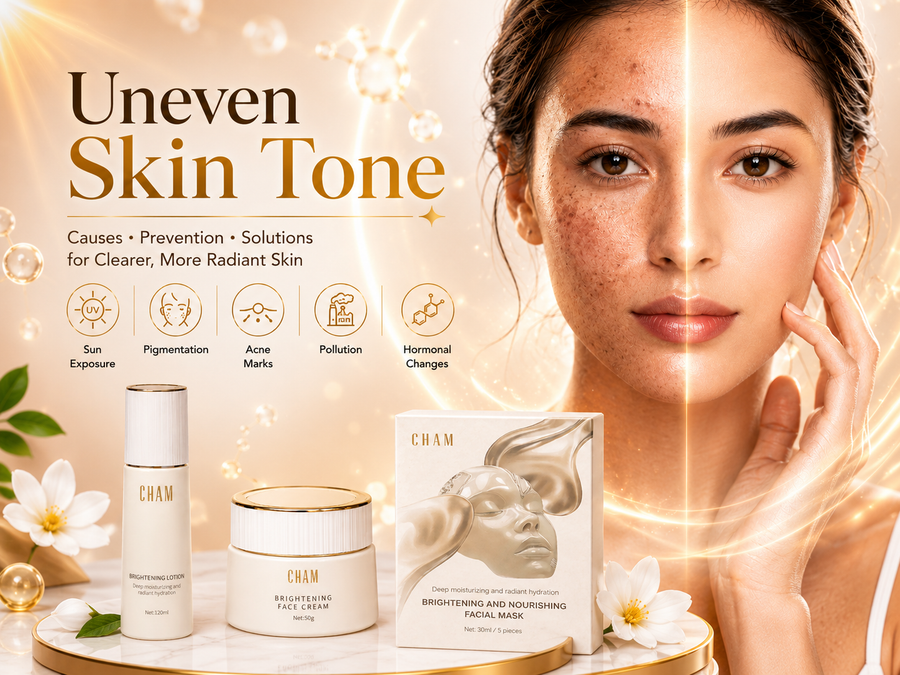
Have you ever looked in the mirror and noticed that some areas of your face appear darker, duller, or redder than others?
You're not alone.
Uneven skin tone is one of the most common skincare concerns worldwide. It affects people of all ages and skin types, but it can be especially noticeable in melanin-rich skin tones, where pigmentation tends to linger longer after inflammation or sun exposure.
The good news is that uneven skin tone is often manageable with the right skincare routine, lifestyle habits, and consistent sun protection.
Let's explore what causes uneven skin tone and how you can achieve a brighter, more balanced complexion.
What Is Uneven Skin Tone?
Uneven skin tone occurs when certain areas of the skin appear darker, lighter, redder, or more discolored than the surrounding skin.
Instead of having a uniform complexion, the skin may show:
-
Dark spots
-
Pigmentation
-
Acne marks
-
Red patches
-
Dull areas
-
Sun damage
Uneven skin tone is usually not harmful, but many people seek treatment because it affects the overall appearance and radiance of the skin.
Common Causes of Uneven Skin Tone
Understanding the cause is the first step toward improving it.
1. UV Exposure
Sun exposure is one of the biggest contributors to uneven skin tone.
When your skin is exposed to ultraviolet (UV) rays, it produces melanin as a protective response.
Over time, repeated exposure can lead to:
-
Sun spots
-
Tanning
-
Pigmentation
-
Uneven complexion
This is why dermatologists consistently emphasize the importance of daily sunscreen.
Signs of Sun-Induced Uneven Skin Tone
-
Dark patches on cheeks
-
Forehead pigmentation
-
Uneven tanning
-
Sun spots
2. Inflammation
Inflammation can trigger increased melanin production, leading to post-inflammatory pigmentation.
Common causes include:
-
Skin irritation
-
Aggressive treatments
-
Allergic reactions
-
Harsh exfoliation
When the skin becomes inflamed, it may leave behind discoloration long after the irritation has resolved.
3. Acne and Post-Acne Marks
One of the most common causes of uneven skin tone is acne.
After a breakout heals, many people are left with dark marks known as post-inflammatory hyperpigmentation.
These marks can take weeks or even months to fade, particularly in deeper skin tones.
Factors That Increase Acne Marks
-
Picking pimples
-
Squeezing blemishes
-
Inadequate sun protection
-
Excessive irritation
4. Environmental Stress
Modern life exposes our skin to numerous environmental stressors.
These include:
-
Pollution
-
Dust
-
Smoke
-
Free radicals
Over time, environmental damage can contribute to dullness, discoloration, and an uneven complexion.
This is one reason antioxidants and protective skincare ingredients are so popular today.
5. Hormonal Changes
Hormonal fluctuations can affect melanin production and lead to uneven pigmentation.
Common triggers include:
-
Pregnancy
-
Birth control
-
Hormonal imbalances
-
Certain medications
Hormonal pigmentation often appears on:
-
Forehead
-
Upper lip
-
Cheeks
This condition is commonly referred to as melasma.
6. Aging
As skin ages, years of accumulated sun exposure and environmental damage may become more visible.
Common age-related concerns include:
-
Age spots
-
Uneven pigmentation
-
Dullness
-
Loss of radiance
A consistent skincare routine can help support healthier-looking skin at any age.
How to Prevent Uneven Skin Tone
Prevention is often easier than correction.
Wear Sunscreen Daily
If you only follow one skincare rule, make it this one.
Daily sunscreen helps protect the skin from UV-induced pigmentation.
Choose:
-
SPF 50
-
Broad-spectrum protection
-
Lightweight formula
-
Daily use
Even when staying indoors.
Avoid Picking Pimples
Picking or squeezing acne increases inflammation and raises the likelihood of dark marks.
Allow blemishes to heal naturally whenever possible.
Use Gentle Skincare Products
Harsh cleansers and aggressive exfoliants can damage the skin barrier.
A compromised barrier is more vulnerable to irritation and discoloration.
Stay Consistent
Consistency matters more than perfection.
Small daily habits often produce better results than occasional intensive treatments.
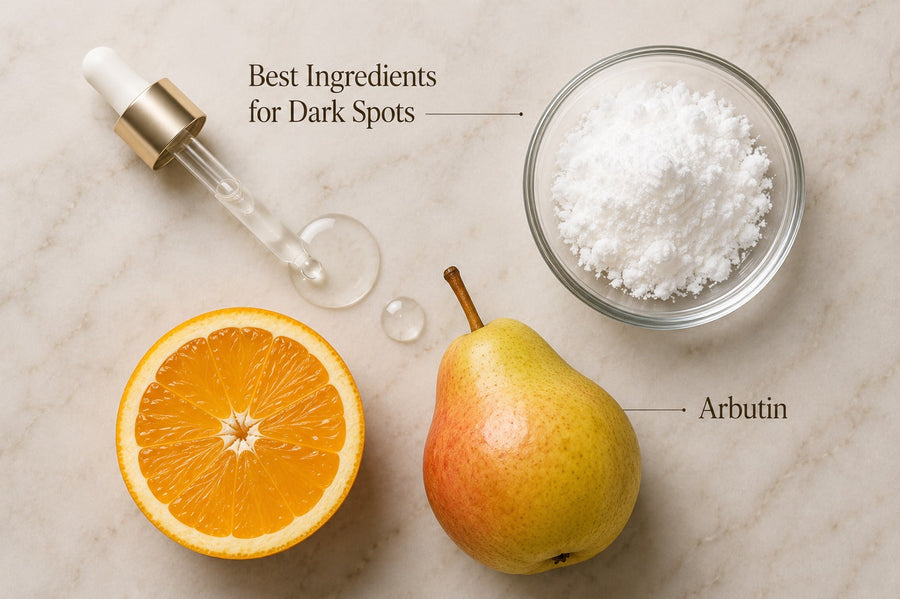
Best Ingredients for Uneven Skin Tone
Certain ingredients are commonly used to support a brighter, more balanced complexion.
Niacinamide
Niacinamide is one of the most versatile skincare ingredients available.
Benefits include:
-
Supports an even skin tone
-
Improves skin barrier health
-
Helps reduce the appearance of dark marks
-
Enhances radiance
Vitamin C
Vitamin C is known for its brightening and antioxidant properties.
Benefits include:
-
Improves overall radiance
-
Helps reduce dullness
-
Protects against environmental stress
Alpha Arbutin
Alpha Arbutin is frequently used in brightening skincare products because it helps improve the appearance of discoloration.
Ceramides
Healthy skin starts with a healthy barrier.
Ceramides help strengthen and support the skin's natural protective layer.
Recommended Skincare Routine for Uneven Skin Tone
Morning Routine
Step 1
Gentle Face Wash
Step 2
Brightening Serum
Step 3
Moisturizer
Step 4
SPF 50 Sunscreen
Night Routine
Step 1
Gentle Cleanser
Step 2
Niacinamide or Brightening Serum
Step 3
Nourishing Face Cream
Lifestyle Habits That Support Healthy Skin
Prioritize Sleep
Your skin repairs itself while you sleep.
Aim for 7–8 hours of quality rest each night.
Stay Hydrated
Hydrated skin often appears healthier, smoother, and more radiant.
Eat a Balanced Diet
Focus on:
-
Fruits
-
Vegetables
-
Healthy fats
-
Protein-rich foods
Nutrition supports overall skin health.
Manage Stress
Chronic stress can affect multiple aspects of skin health, including inflammation and barrier function.
Cham Skincare Routine for Uneven Skin Tone
A simple brightening routine may include:
Cham Brightening Face Wash
Gentle daily cleansing.
Cham Brightening Face & Body Serum
Supports brighter, more balanced-looking skin.
Cham Brightening Face Cream
Hydrates while supporting the skin barrier.
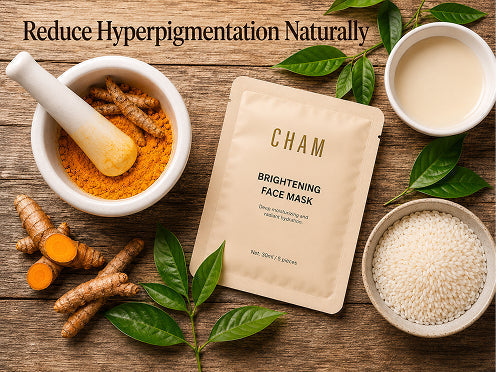
Cham Sheet Mask
Provides an additional hydration boost and temporary radiance.
Image Suggestions for This Blog
Image 1
Infographic showing causes of uneven skin tone
Image 2
UV exposure and pigmentation illustration
Image 3
Before-and-after complexion improvement concept
Image 4
Ingredient spotlight: Niacinamide, Vitamin C, Alpha Arbutin
Image 5
Cham skincare routine visual
Frequently Asked Questions
Can uneven skin tone be corrected?
In many cases, yes. Consistent skincare, daily sunscreen use, and brightening ingredients can help improve the appearance of uneven skin tone over time.
What is the most common cause of uneven skin tone?
Sun exposure is one of the most common causes because it stimulates melanin production.
Does sunscreen help prevent uneven skin tone?
Yes. Daily sunscreen is one of the most effective ways to help prevent pigmentation and discoloration.
Which ingredients are best for uneven skin tone?
Niacinamide, Vitamin C, Alpha Arbutin, and barrier-supporting ingredients are commonly used in brightening skincare routines.
How long does it take to improve uneven skin tone?
Results vary depending on the cause and severity, but visible improvements often require several weeks or months of consistent care.
Final Thoughts
Uneven skin tone can be caused by many factors, including sun exposure, acne, inflammation, hormonal changes, and environmental stress.
The key to improving it isn't chasing quick fixes.
Instead, focus on:
✔ Daily sunscreen
✔ Gentle skincare
✔ Brightening ingredients
✔ Healthy lifestyle habits
✔ Consistency
Over time, these habits can help your skin appear brighter, smoother, and more balanced, revealing a naturally healthy glow.