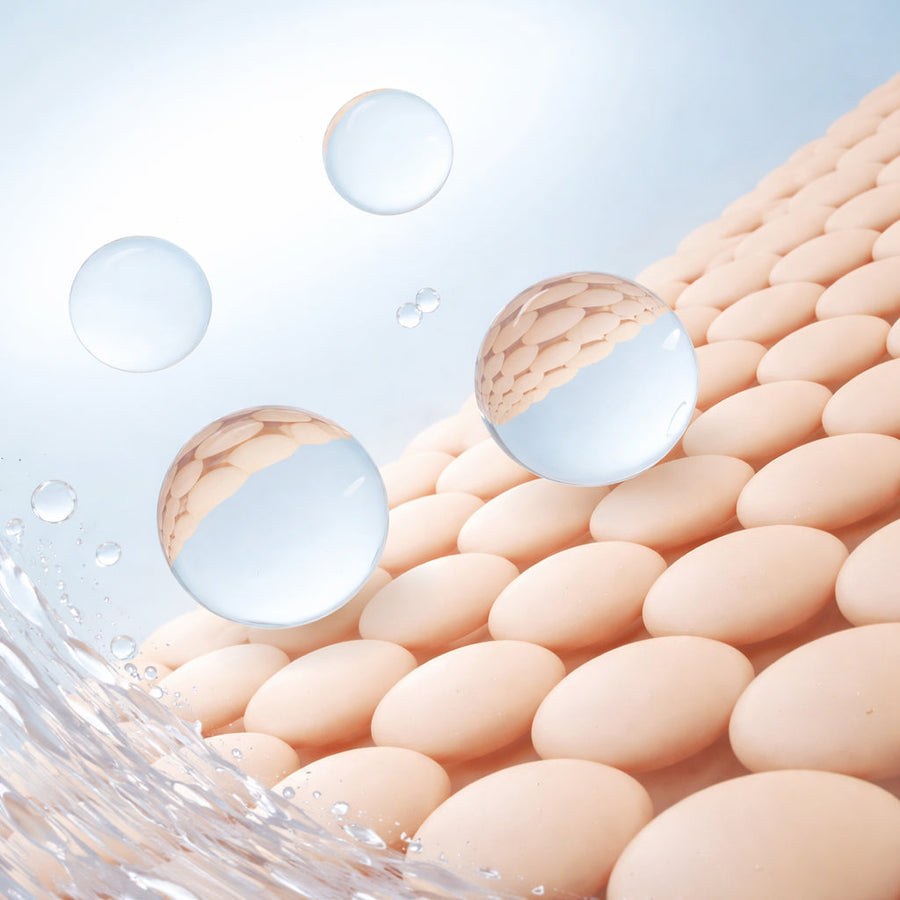
Stretch marks are scars. They form in the dermis, the layer beneath the visible surface, when skin is stretched faster than its collagen and elastin can adapt. The fibres tear and then repair in a thinner, flatter arrangement, and the line you see is that repair showing through. Because the damage sits that deep, the question of what a cream can do has a short answer.
Why they form
Speed of stretching is half of it. Teenage growth spurts, pregnancy, quick weight gain and quick muscle gain are the usual occasions, and the marks appear where the skin took the strain: abdomen, hips, thighs, breasts, upper arms, lower back.
Hormones are the other half. Cortisol weakens the fibres that give skin its stretch, and levels are higher in adolescence and pregnancy, which is why two people can gain the same amount and only one of them marks. Family tendency counts as well.
Steroid creams cause them too. Used for months on thin skin or in folds, a steroid thins the dermis until it marks under ordinary tension. Fairness creams with undeclared steroids are a known source in India, and how to tell whether a cream contains a steroid lists what to look for.
They are among the most common skin changes there are, in men as well as women.
Red ones and white ones
New stretch marks are red, pink or purple on lighter skin and dark brown on deeper skin. They can be slightly raised, and they sometimes itch.
Over a year or two they settle into the mature form: paler than the skin around them, flat or faintly sunken, with a silvery look. This change happens whether or not anything is applied.
The stage matters because early marks still have active blood supply and repair going on. Whatever is going to help, helps then.
What creams can do
A moisturiser eases the itch and tightness of skin that is stretching. That is a real benefit during pregnancy or a growth spurt, and it is the only one with solid support.
Cocoa butter and olive oil have both been tested in controlled trials for preventing pregnancy stretch marks, and neither did better than a placebo. A few small trials of creams containing Centella asiatica or hyaluronic acid suggested some preventive effect, and the evidence is too thin to rely on. Centella asiatica has better support in other uses.
Tretinoin, a prescription retinoid, has modest evidence on early red marks. It is not used in pregnancy or while breastfeeding, and it is a doctor's decision.
Nothing sold over the counter removes mature white marks.
What procedures can do
Dermatologists use lasers, microneedling and related procedures. They improve colour and texture, more on early marks than late ones, and they need several sessions. None of them erases a mark. On deeper skin tones lasers carry a risk of new pigmentation, so the operator's experience with Indian skin matters more than the name of the machine.
When to ask a doctor
See one if marks appear widely with no growth, pregnancy or weight change to explain them. Wide purple marks together with weight gain around the trunk and easy bruising can point to excess cortisol, which needs testing.
Marks that follow long use of any cream are also worth showing to a dermatologist, with the tube in hand.
Where the Cham range fits
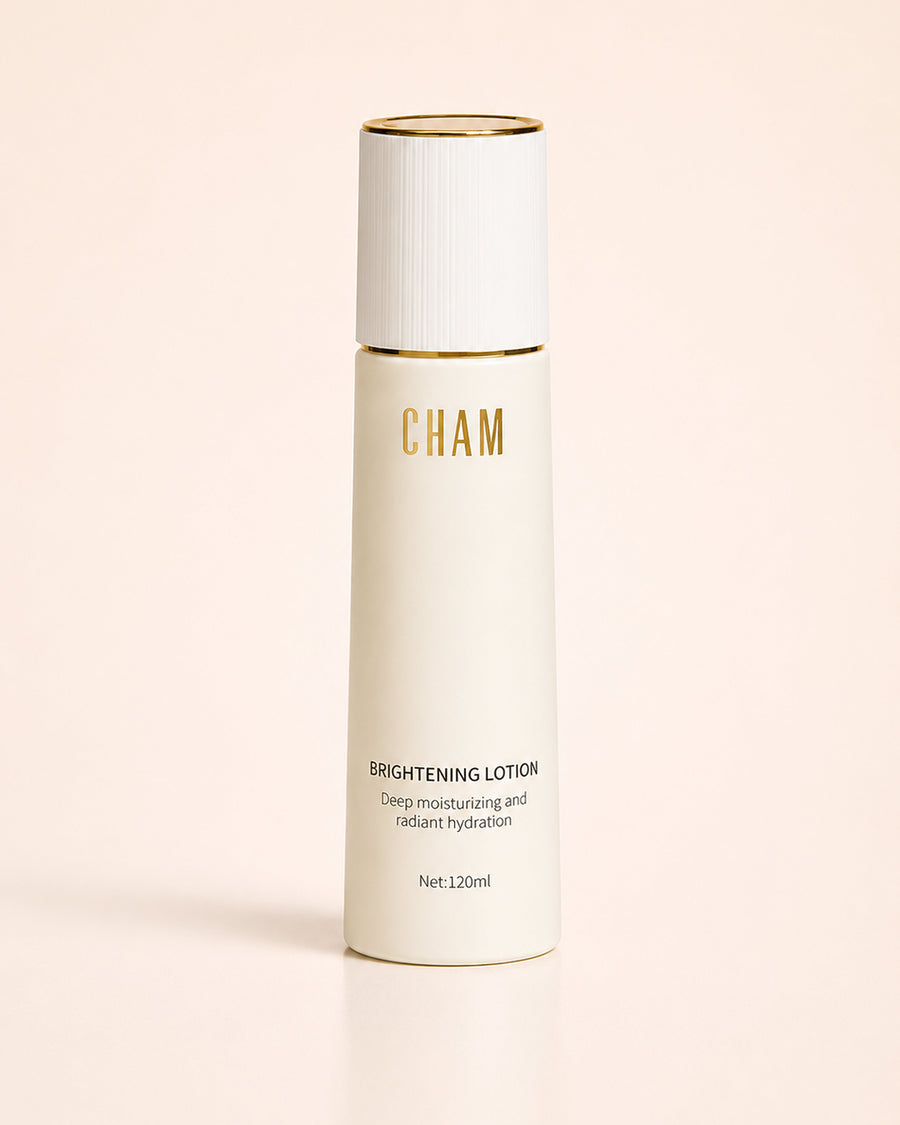
The Brightening Body Lotion is a moisturiser. It will keep stretched skin comfortable, and that is the whole of the claim. It does not prevent stretch marks or fade them, and Cham makes nothing sold for that purpose.
For skin changes during pregnancy more generally, pigmentation in pregnancy covers what is safe to use and what to leave until later.