The question "how often should I mask" has a structural answer before it has a numerical one: a mask is a dose, not a routine. The daily work of skincare is done by the boring steps, cleansing, hydrating, protecting, repeated without drama. A mask is a concentrated interruption to that baseline. Interruptions are useful in proportion to their rarity, which is why the honest answer to frequency is always about the type of mask and the state of the skin, never a universal number.
The frequency logic, by type
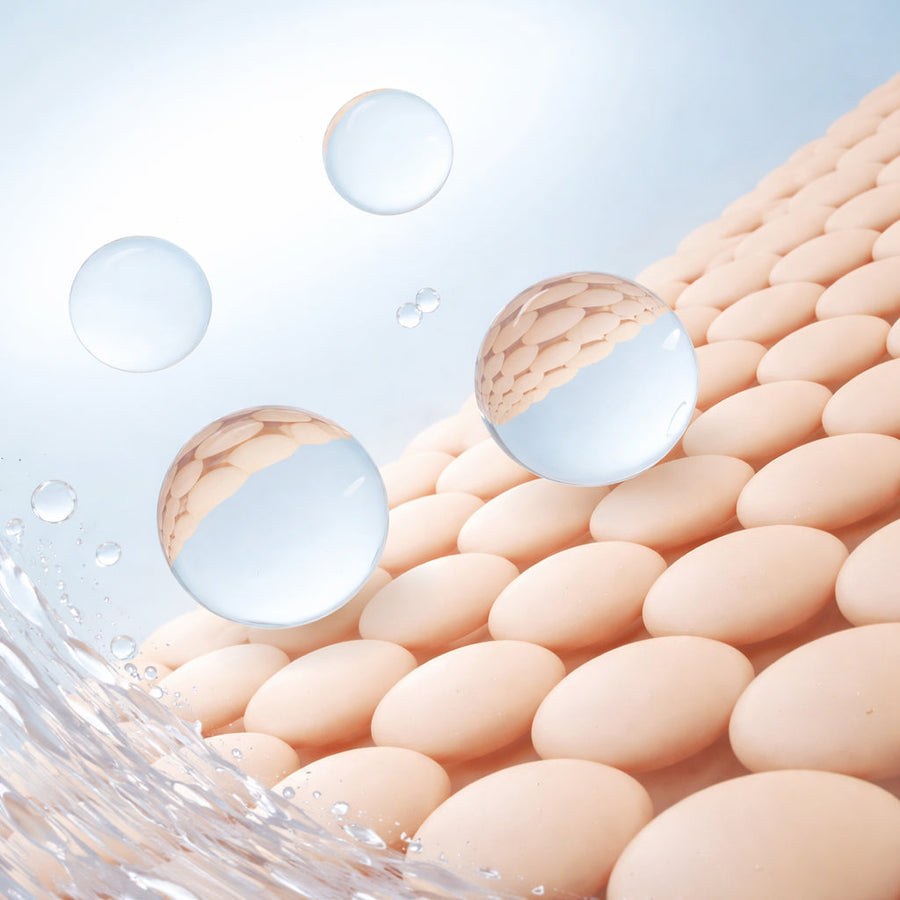
Hydrating sheet masks are the gentlest category: a fabric or bio-cellulose sheet holding a water-based serum against the skin long enough for it to actually sink in. The occlusion is the mechanism. Trapped under the sheet, humectants and actives get contact time no rinse-off product can match. Because the load is hydration and dissolved actives rather than abrasion, these tolerate the highest frequency: once or twice a week is the standard rhythm, and skin going through a dry patch can lean toward the upper end.
Clay and charcoal masks work by absorption, pulling water and oil out of the surface while they dry. That is a withdrawal, not a deposit, and the account has limits. For oily skin, weekly is usually plenty; for dry or sensitive skin, occasionally to never. The tight, squeaky after-feel that people read as effectiveness is the barrier reporting a loss.
Exfoliating masks, whether acid-based or physical, stack turnover pressure on top of whatever exfoliation the routine already contains. These are the easiest to overdo, and the arithmetic has to include everything else in the week. Skin already using an acid serum does not have much exfoliation budget left for a mask. Over-exfoliated skin describes what spending past that budget looks like.
What daily masking actually does
Enthusiasm is the main risk with masks, because the first uses often look great: plumper, calmer, brighter skin the same evening. The tempting conclusion is that daily masking multiplies the effect. It does not, for the same reason a double dinner does not multiply nutrition.
Skin absorbs water and actives at its own pace; extended daily occlusion past that point mostly softens and stresses the surface layer. Daily clay drains the barrier faster than it rebuilds. Daily exfoliating masks are simply sandpaper on a schedule. The pattern across all three is the same: past the useful dose, more frequency converts benefit into irritation, and irritated skin photographs worse than unmasked skin ever did.
Marks and tone respond on the timescale of skin renewal, cycles measured in weeks. No mask frequency shortcuts that. A weekly rhythm kept for a season does more than a daily binge kept for ten days, and the binge usually ends in a reaction that gets mistaken for purging.
Where the Cham mask sits
Cham makes one mask, and it sits in the first category. The Brightening Face Mask is a bio-cellulose sheet saturated with a serum of niacinamide, alpha arbutin and two stabilised forms of vitamin C. The product's own directions match the logic above: once or twice a week, on clean and slightly damp skin, worn for fifteen to twenty minutes, after which the remaining essence is pressed in rather than rinsed off. It is sold as a pack of five, which at a weekly rhythm is a month and change of use, not a fortnight of daily enthusiasm.
The actives are the same family the daily products carry, which is deliberate: the mask is a concentrated weekly dose of the direction the routine already points in. What alpha arbutin contributes at that dose is covered in alpha arbutin: what it does.
Signals to adjust
Frequency guidance is a starting point, and skin files amendments. Stinging during a mask that used to feel like nothing, redness that outlasts the evening, or breakouts clustering after mask days are all reasons to halve the rhythm or pause entirely. In the other direction there is no prize: comfortable skin on a weekly rhythm has found its dose, and the interesting gains from there come from consistency in the daily steps, not from masking harder. A mask cannot compensate for a missing sunscreen habit, and it does not need to try.