Exfoliation has a delay built into it, and the delay is what catches people. Each session removes surface cells faster than the skin replaces them, and for a while the ledger hides the shortfall: skin looks smoother, brighter, more polished. The deficit only shows once the surplus is gone, at which point several weeks of enthusiasm arrive as a single unhappy fortnight. Recognising the moment matters, because the standard response to the first signs, exfoliating more to fix the sudden dullness and flaking, is precisely backwards.
The signs, roughly in order
Early over-exfoliation looks confusingly like success: a tight smoothness, an almost waxy shine where light bounces off a surface thinner than it should be. Then products start to sting, and not just actives; a moisturizer that was never felt before suddenly announces itself, which is the tell that the barrier has thinned enough to let ordinary ingredients reach nerve endings they normally never meet.
From there the list grows: patches of redness, flaking that coexists with oiliness, breakouts in new places as the irritated surface over-produces oil, and a general reactivity where sun, sweat and even plain water register as insults. Skin that reacts to everything was usually taught to, one scrub at a time.
How routines get here
Almost nobody over-exfoliates through one product. The modern routine hides turnover pressure in several places at once: an acid toner, a serum with glycolic or salicylic acid, an enzyme wash, a weekly peel mask, a scrub, sometimes a cleansing brush on top. Each is reasonable alone. Stacked, they can add up to removing surface cells at a pace no skin can match, and none of the labels mention the others.
Retinoids complicate the sum further. They are not exfoliants, but they raise turnover and thin the outermost layer while it adapts, so a retinoid routine has less tolerance left for acids than the same skin had without it. The stacking problem is the reason recovery-night schemes like skin cycling exist at all, and it is why niacinamide and retinol get paired: one of them asks nothing of the barrier.
The way back
Recovery is a subtraction exercise, and it starts with stopping everything that removes: all acids, scrubs, brushes, peel masks and gritty washcloths, at the same time, not on a taper. A barrier under repair does not benefit from a reduced schedule of sanding.
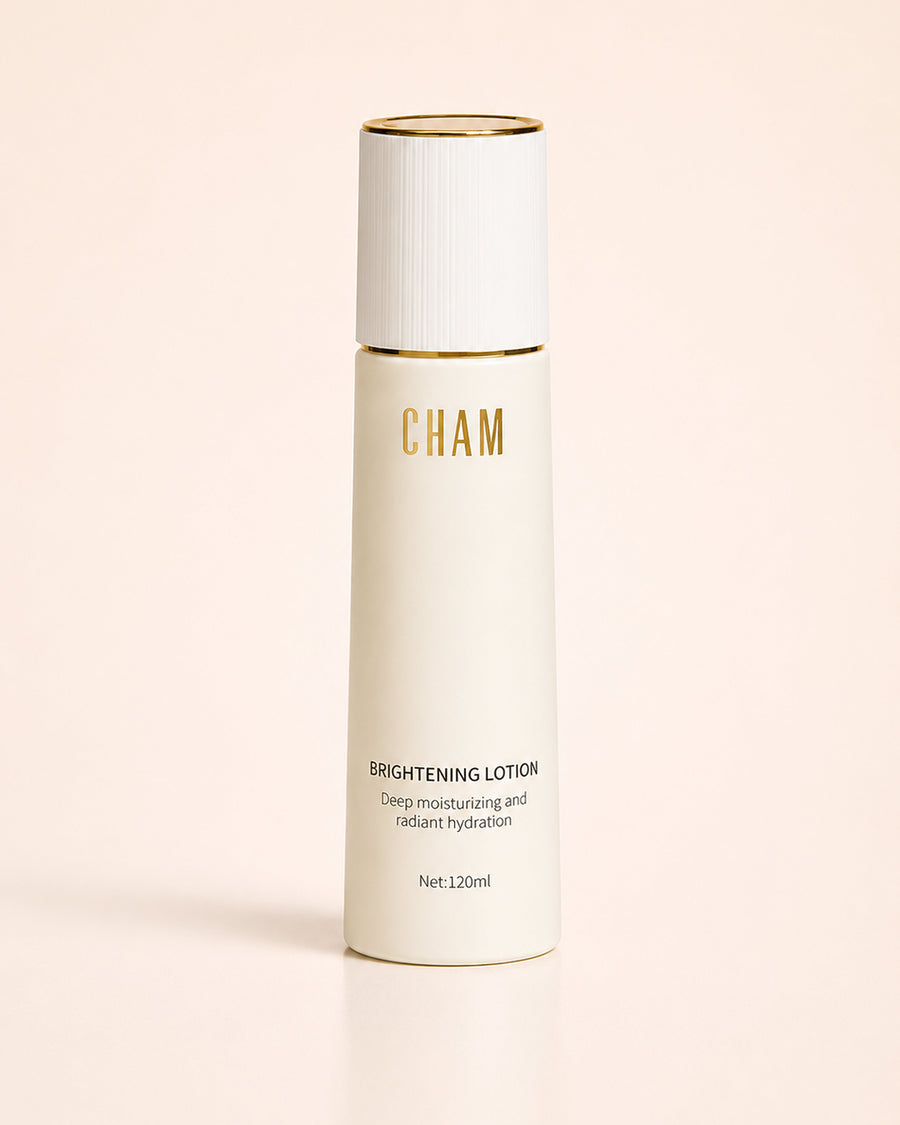
What remains should be close to boring. A mild cleanse once a day, cool water otherwise. A humectant layer while skin is damp, then something that seals: the wanted ingredients are the unglamorous ones, glycerin, panthenol, ceramides, allantoin, the repair vocabulary covered properly in the skin barrier repair guide. Within the Cham range that bland-by-design pairing is the serum under the face cream; what should wait is the weekly mask, not because it exfoliates, but because a compromised barrier is not the audience for any concentrated step.
Sunscreen is not optional during recovery. A thinned surface admits more UV, and inflamed skin pigments readily; over-exfoliation followed by unprotected sun is how a texture problem graduates into a pigmentation problem.
What recovery honestly looks like
The stinging settles first, usually across days. The visible surface takes longer: the outermost layer rebuilds on the skin's renewal cycle, measured in weeks, and the deeper comfort, where nothing tingles and reactivity has gone quiet, can trail behind that. The consistent reports of feeling mostly normal again tend to sit in the one-to-two-month range. Nothing accelerates it much; the job is to stop interrupting.
The relapse pattern is predictable enough to warn about: the week skin finally feels smooth again is the week the acids look tempting. When they do return, they should return alone, one product, at a fraction of the old frequency, with the stacking rule in mind: count every source of exfoliation in the week as one budget.
If the doubt is about one particular combination rather than the weekly total, the pairing checker works through the twenty-eight pairs people ask about most and marks which of them genuinely need separating.
When it is more than over-exfoliation
Persistent burning, cracked or weeping skin, swelling, or a face that worsens despite weeks of a bland routine has moved beyond a skincare correction into dermatitis territory, and that is a doctor's room, not a routine adjustment. The same is true if the trigger was a strong professional peel rather than home products. Cosmetic advice ends where broken skin begins, and pretending otherwise is how recovery gets longer.