The internet keeps producing pairs of ingredients that supposedly cancel each other out, and niacinamide with retinol is one of the easier ones to settle. They are compatible. More than compatible: they are complementary, and using them together is often more comfortable than using retinol alone. One caveat before anything else, because this blog tries to earn its keep by being straight about such things: Cham makes no retinol product. What follows is usage guidance for readers who already own one, not a route to a sale.
What each one does
Retinol is a vitamin A derivative. Skin converts it, in steps, to retinoic acid, which speeds up cell turnover. That acceleration is where its reputation comes from, and also where its discomfort comes from. New users commonly get an adjustment period of dryness, flaking, tightness and some redness while the skin adapts, because faster turnover taxes the outer barrier before the benefits settle in.
Niacinamide is the amide form of vitamin B3, and its useful work happens in that same outer barrier. It supports the skin's own production of ceramides, the lipids that hold the surface layer together, and it reduces the rate at which water escapes through it. It also helps even the look of tone, which is a bonus here rather than the point.
Put plainly: retinol asks more of the barrier, and niacinamide helps the barrier answer.
Why the pairing works
Most retinol complaints are barrier complaints. The flaking, the sting when other products go on, the tight feeling by evening: these are signs of an outer layer losing water faster than it would like. An ingredient that supports ceramide production and slows water loss is aimed at precisely that problem, which is why formulators so often put the two in one bottle rather than warning people apart.
As for the supposed conflict, there is no chemistry behind it. The two molecules act on different pathways, coexist in a formula without incident, and no mechanism has ever been shown by which one undoes the other. The rumour seems to be inherited from older debates about mixing actives, applied here without checking whether it fits. It does not.
How to layer them
Two arrangements work, and the right one is whichever a real routine can sustain.
Same evening. Apply the niacinamide serum first: it is the thinner, water-based layer. Give it a moment to settle, follow with the retinol product, and finish with a moisturizer on top. The moisturizer is not optional decoration; it slows water loss further and makes the whole stack more comfortable.
If plain retinol still feels like too much, the moisturizer can move earlier in the queue. Applied before the retinol rather than after, it slows how fast the retinoid reaches the skin. The technique is usually called buffering, and it trades a little potency for a lot of comfort, which is the right trade while skin is still learning the ingredient.
Split across the day. Niacinamide in the morning, retinol at night. Retinol degrades in light, so night is its natural home anyway, and niacinamide is untroubled by daylight. This version suits people who prefer one active per sitting.
Whichever arrangement you pick, start retinol low and infrequent, every second or third night at first, and let the skin vote before increasing anything. And wear sunscreen daily. A turnover-accelerating active with unprotected sun on top is a contradiction: the sun keeps creating the damage the retinol is working through. Cham sells no sunscreen either, and the advice stands regardless: buy one from someone, and use it.
Retinol raises the same question against everything else in a routine, and the answers are not all this comfortable. The pairing checker sets it against vitamin C and the acids, where splitting them across the day is the honest advice rather than layering them.
If the barrier is already unhappy
The pairing above assumes a baseline of intact, comfortable skin. If skin is currently stinging, flaking or reacting to products it used to tolerate, retinol is the wrong next move and niacinamide alone is the better opening act. Get the barrier settled first, then introduce the retinoid slowly. The repair sequence is covered properly in the skin barrier repair guide.
When this isn't for you
- In pregnancy or while breastfeeding, retinoids are a conversation for your doctor, not a blog post. That caution applies to the retinol half of this pairing, not to niacinamide.
- On active eczema, dermatitis or broken skin, leave both out and speak to a clinician.
- If you are already on a prescription retinoid, your prescriber outranks any general guidance, including this.
- If daily sunscreen is genuinely not going to happen, retinol is a poor investment. Spend on sun protection first; it does more, for less discomfort.
Where it sits in the Cham range
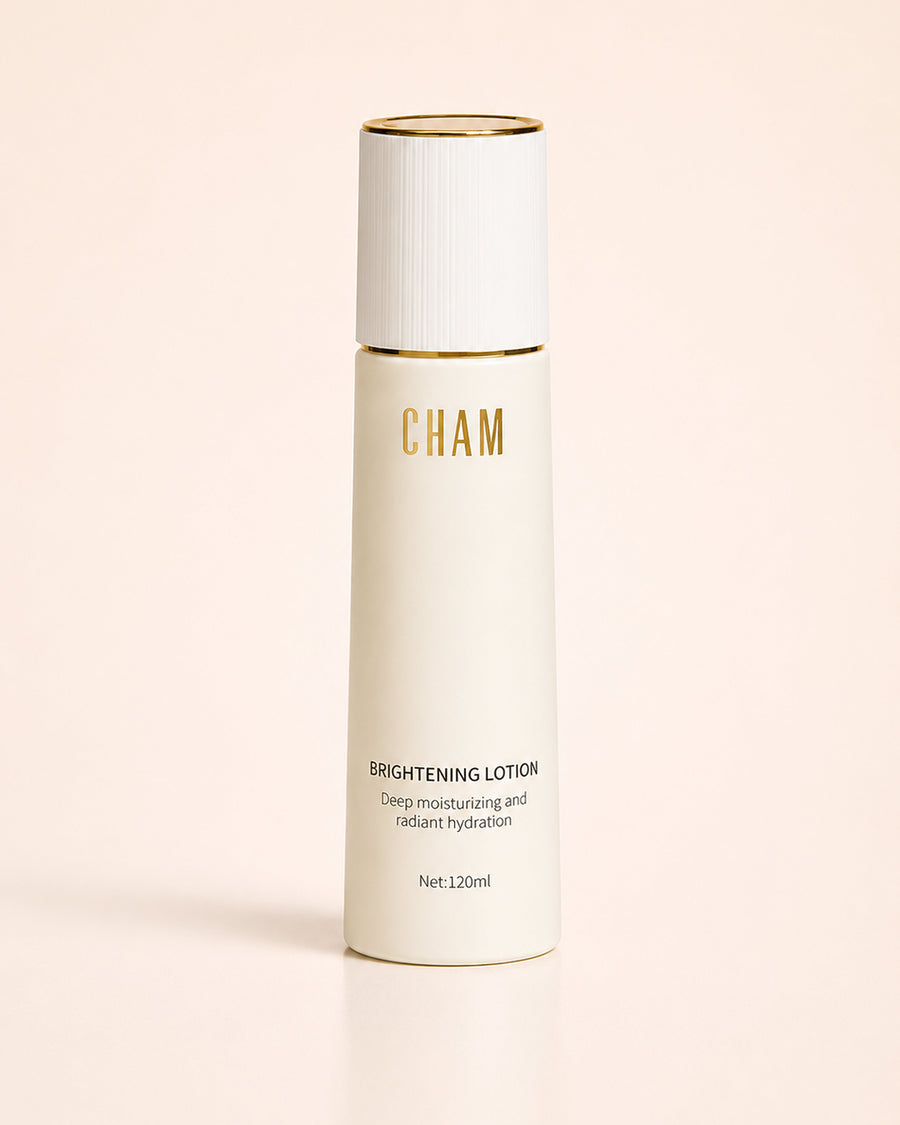
To repeat the honest part: there is no Cham retinol, and no plans to pretend otherwise in a product description. What Cham makes is the niacinamide half of this partnership. The Brightening Face & Body Serum carries niacinamide alongside ceramide NP, panthenol and centella asiatica, which is barrier-supporting company by design, and it slots into either arrangement above as the calm layer. How to place it in a wider routine is covered in how to use a niacinamide serum. The retinol you pair it with can come from anywhere; the pairing logic stays the same.