AQI skin planner

At AQI 400, your skin needs less, not more

When the air turns, the reflex is to add things: an extra wash, a harder scrub, a serum with anti-pollution on the label. Winter skin is already drier than usual, and worse air is linked to more water loss and redness. On skin that marks easily, that irritation is often where a new dark patch starts. Below is a routine for each AQI band, from poor to severe, and it gets shorter as the number goes up.

Routine by AQI band

Check today's number, then match the routine

Updated · Bands follow India's national AQI

AQI 201 to 300

Poor

Keep your routine. The evening cleanse becomes the one step you never skip.

Morning

  1. Rinse with lukewarm water, or use a gentle cleanser if your skin is oily.
  2. Serum on damp skin.
  3. Moisturiser.
  4. Sunscreen, even when the sky looks grey.

Evening

  1. Cleanse once, properly, with a low-foam face wash and lukewarm water.
  2. Serum on damp skin.
  3. Moisturiser.
  4. Your usual actives, if your skin is comfortable with them.

Pause for now

  • A third wash in the day. Twice is enough.

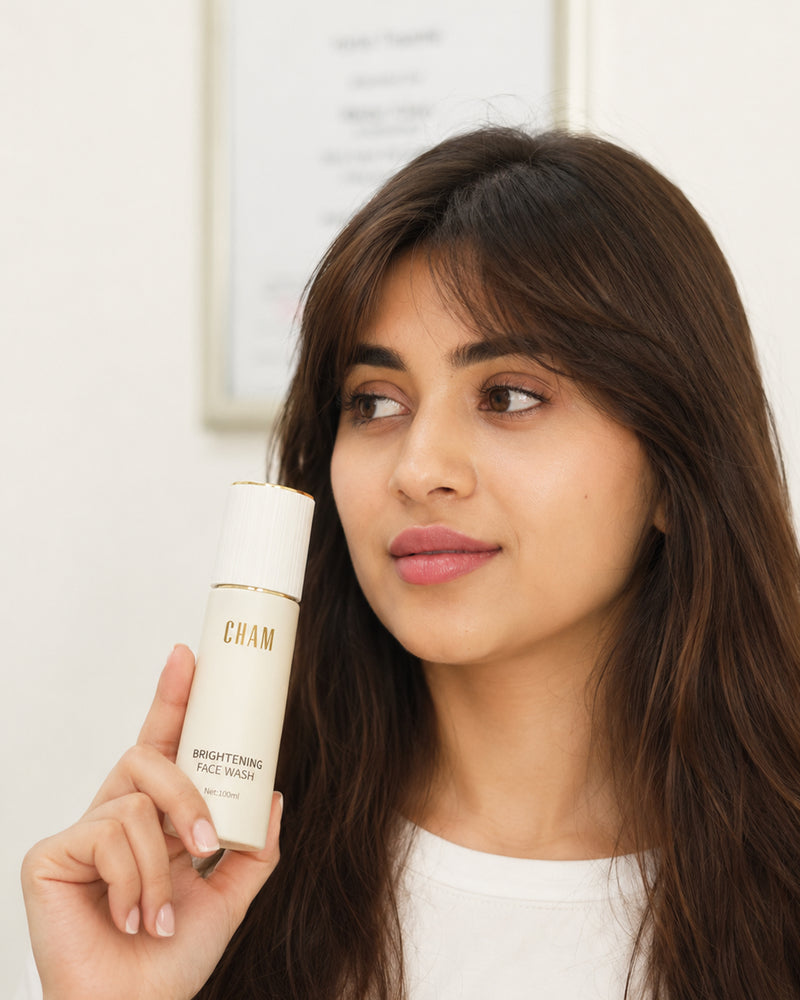
By evening, skin carries the day's sunscreen, oil and whatever settled on it, and one thorough cleanse is what clears it. Washing more often does not clean more. It takes the oils that cold, dry air is already short of. That is the job the Brightening Face Wash was made for: low-foam, and cleansing without leaving skin tight. It is not tested against pollution, and neither is anything else we sell.

AQI 301 to 400

Very poor

The same steps with gentler hands: exfoliate less, moisturise more.

Morning

  1. Rinse with lukewarm water.
  2. Serum on damp skin.
  3. A richer moisturiser than you wear in summer.
  4. Sunscreen. Haze blocks some ultraviolet, not all of it.

Evening

  1. Cleanse once with a low-foam face wash and lukewarm water.
  2. Serum on damp skin.
  3. Moisturiser.
  4. Halve your retinoid or acid nights, and skip any night your skin stings.

Pause for now

  • Scrubs and exfoliating packs
  • Hot water and face steaming
  • Starting any new active ingredient

Cold, dry air thins the skin's protective outer layer, and studies in polluted cities link worse air with more water loss and redness. Both point the same way: be gentler. Exfoliating less keeps that layer whole. A niacinamide serum on damp skin, such as the Face and Body Serum, adds hydration and helps strengthen the barrier, which is what matters at this level. Outdoors, a mask and a scarf leave less skin to clean at night.

AQI 401 and above

Severe

Cut back to the basics and stop adding things.

Morning

  1. Rinse with lukewarm water.
  2. Serum on damp skin.
  3. Moisturiser.
  4. Sunscreen.

Evening

  1. Cleanse once with a low-foam face wash and lukewarm water.
  2. Serum on damp skin.
  3. Moisturiser.

Pause for now

  • Retinoids and exfoliating acids, until the air or your skin settles. If a dermatologist prescribed them, ask before stopping.
  • Scrubs, peels, de-tan packs and salon facials
  • Anything you have not used before
  • Hot water and face steaming

On a severe day, every extra product is another chance for skin to sting. On medium and deep skin tones, irritation more often heals as a dark mark, and that mark can take months to fade. The shortest routine is the one least likely to leave one. The CPCB describes severe air as affecting healthy people too, so spend less time outdoors where you can. Your skin benefits as well.

This page is about skin. At these AQI levels, follow official health advisories for everything else.

Why less

What smog does to skin, and what it does not

Studies linking pollution to pigment measure years of exposure. In Germany, older women living with more traffic soot had more pigment spots on the forehead and cheeks. In German and Chinese women, more nitrogen dioxide, a traffic gas, went with more dark spots on the cheeks, and in Beijing, age spots were more common in a district with more fine particles than in a cleaner county. Each of these studies compares where people have lived for years. A 2026 review rated the evidence low to very low in certainty, and none of it comes from India or shows that a week of bad air leaves a mark.

The nearer risk is irritation. In small studies in Seoul and Mexico City, skin lost more water and looked redder when or where the air was worse, and a North Indian winter dries skin on top of that. Irritated skin can heal darker. That darkening is more common and often more intense in deeper skin tones, and it can take months to fade. So on a severe day, cut whatever could sting: strong actives, scrubs, hot water, anything new. That is why the routine gets shorter as the AQI climbs.

Two habits hold at every level. The evening cleanse clears what the day left on the skin. Sunscreen stays because haze cuts ultraviolet only partly: measurements in Delhi show less of it on hazier days, never none, and ultraviolet drives pigment whatever the air is doing. Why winter skin needs more moisture in the first place is covered in the winter skincare routine.

In the Cham range

Where the wash and serum fit

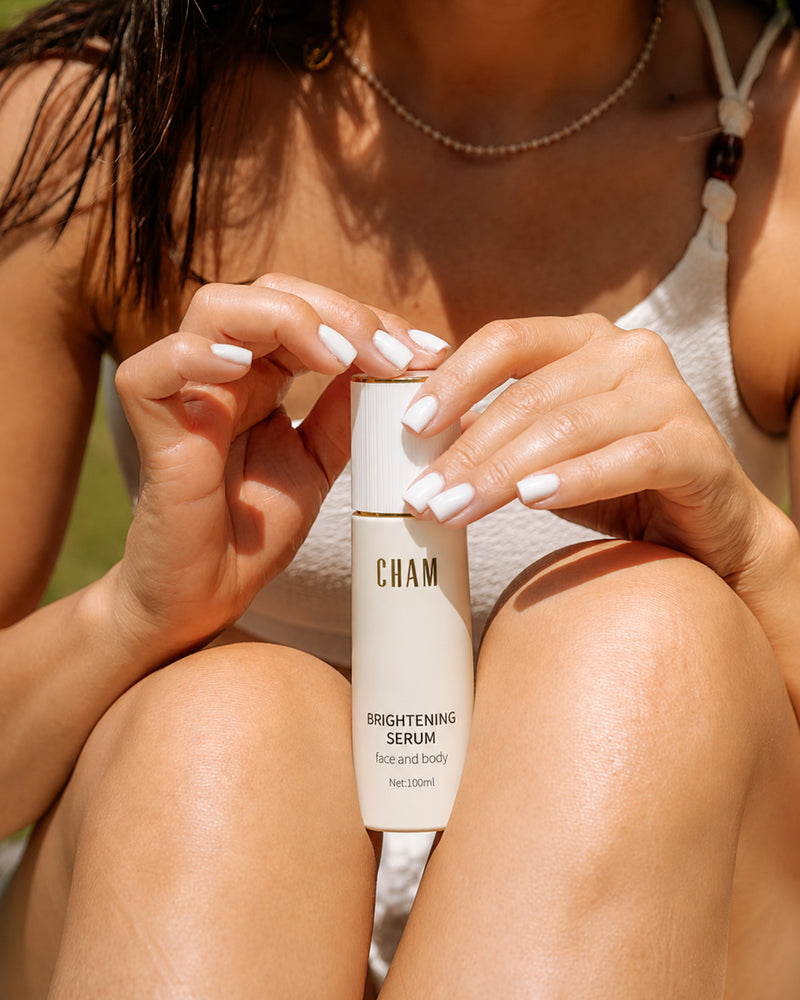
Two steps in every band are ones we make a product for. The Brightening Face Wash is the evening cleanse: low-foam and made for twice-daily use, it cleans without leaving skin tight. The Face and Body Serum goes on damp skin after it, for hydration and barrier support.

Neither is tested against pollution, and we do not call them anti-pollution. Sunscreen is the step we do not sell, and the one that matters most for pigment.

Fade timeline

If the season leaves a mark, get a realistic window

Marks fade on the skin's schedule, not the AQI's. Answer a few short questions, with no photos, and the tool gives a range in weeks and the factors that set it. Where a pattern belongs with a dermatologist, it says so instead.

The whole model, in the open

These are the base ranges the tool works from, assuming the trigger has stopped, daylight is managed daily and the routine is consistent. They are typical ranges, not guarantees; biology varies and the tool says so.

Base fade ranges by mark type and age
Mark Under 3 months 3 to 12 months Over a year
Pimple mark (brown) 6 to 12 weeks 3 to 6 months 6 to 12 months, may lighten without vanishing
Fold darkening (friction) 3 to 6 months 4 to 8 months 6 to 12 months, same caveat

Rare sunscreen use extends the upper end by about half. Regular picking, deep skin tone and unprotected outdoor time each extend it by about a quarter. Red or purple marks carry no excess pigment, so no range applies to them, and symmetrical facial patches or velvety fold darkening are routed to a dermatologist rather than given a number.

Tan runs on its own model, because where it sits and how it was built matter more than how long ago it started:

Base tan fade ranges by body area and kind of exposure
Tan on A few days of strong sun Everyday sun over months
Face 2 to 6 weeks 6 to 12 weeks
Neck, arms or back 3 to 8 weeks 8 to 16 weeks
Hands or feet 4 to 10 weeks 2 to 5 months
Legs 4 to 12 weeks 3 to 6 months

Rare sunscreen use extends the upper end by about half. Sunscreen on sunny days only, scrubs or de-tan packs, deep skin tone and being over fifty each extend it by about a quarter. While the heavy sun continues, no range applies yet, and darkening that has outlasted its window is treated as pigmentation rather than tan.

This tool describes typical cosmetic timelines. It does not diagnose or treat anything.

FAQ

Questions people ask

Does air pollution cause pigmentation?

Research links the two over years, not weeks. Studies of older women in Germany and China found more pigment spots on the face among those living with more traffic pollution, and a 2026 review rated that evidence low to very low in certainty. It does not show that a smoggy week causes dark spots. The nearer risk is irritation: skin that is dry and inflamed can heal darker, and that happens more often in deeper skin tones.

Should I wash my face more often when the AQI is high?

No. Twice a day is enough, and the evening wash is the one that counts, because it clears what built up over the day. Extra washes take oils that cold, dry air has already depleted, which leaves skin tighter and easier to irritate. Use lukewarm water and a gentle, low-foam cleanser.

Do I need sunscreen on a smoggy day?

Yes. Haze absorbs and scatters some ultraviolet light, and measurements in Delhi show less of it reaching the ground on hazier days, but some always gets through. A grey sky makes that exposure easy to underestimate. Keep the same sunscreen habit as on a clear day.

Do anti-pollution skincare products work?

India's cosmetic rules do not define "anti-pollution", and the advertising code expects any claim like it to be backed by tests on that product. So the label alone tells you little: ask what the product was tested against, and how. None of Cham's products are tested against pollution, and we do not make the claim. A proper evening cleanse, a cared-for barrier and daily sunscreen are the parts of a routine with a clear job on smoggy days.

Should I stop retinol or acids when the AQI is severe?

Pausing them on severe days is a reasonable precaution, and so is skipping any night your skin stings. Bring them back once the air improves and your skin feels comfortable. If a dermatologist prescribed them, ask before you change anything.

How should I look after my skin around Diwali?

Follow the band for the day's AQI. Take festival make-up off the same night, with an oil or balm first if it is heavy, then your usual cleanse. Save peels, facials and de-tan treatments until the air clears, because freshly exfoliated skin is the easiest to irritate.