Ask how long pigmentation takes to fade and you will meet two kinds of answer. One is a confident number, usually printed near a price. The other is a shrug: everyone is different, be patient. The first is marketing and the second is true but useless. The actual answer sits between them. It is a range, and your place in that range is set by a short list of factors you can read off your own skin without a test, a scan or an app.
Why nobody honest gives you a date
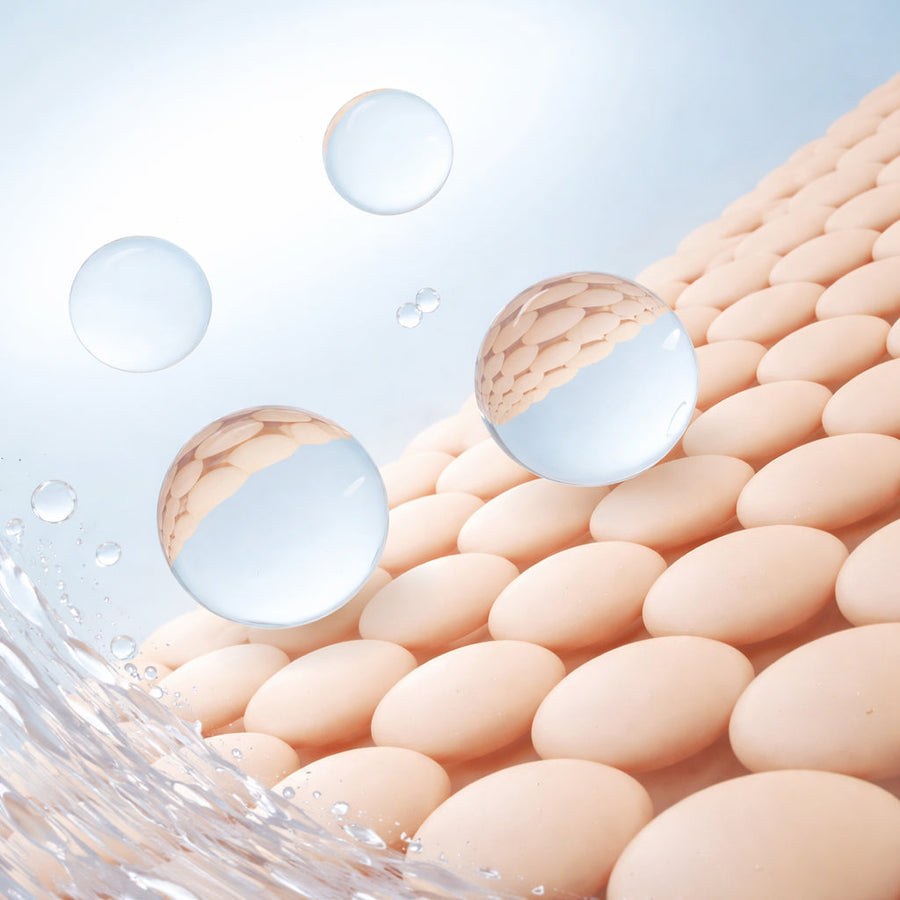
The pigment in a dark mark is not a stain on the surface. It sits inside living tissue, delivered there by the same machinery that produces a tan, and skin clears it the slow way: by renewing itself. The outer layer replaces itself roughly every month, and each cycle carries some pigmented cells up and off. Pigment that settled deeper cannot ride that escalator and waits on slower processes.
No cream reaches in and lifts pigment out. Everything that works does one of two quieter things: it slows new pigment production, or it speeds the housekeeping. Which is why the honest unit of progress is turnover cycles, not days, and why a fixed date on a label describes the marketing calendar rather than your skin.
What sets your range
What the mark actually is. A fresh tan, a brown mark where a pimple was, a flat red mark, and the symmetrical facial patches of melasma are four different situations with four different clocks. The distinctions take two minutes and decide everything else, and marks versus scars is the place to make them.
How deep the pigment sits. Pigment in the outer layers clears with turnover. Pigment that dropped into the deeper layers is measured in seasons. Depth is hard to judge by eye, but age and darkness are reasonable proxies: the older and darker the mark, the better the odds some of it sits deep.
How long it has been there. A mark that arrived last month is mostly a production problem. A mark that has sat for two years has settled in, and settled pigment fades more slowly and sometimes incompletely.
Your skin tone. Skin that makes more melanin runs a more reactive pigment system, which is most Indian skin. Marks form more readily, darken more on provocation, and re-darken faster when protection lapses. The same biology that makes the mark also defends the range, so this cuts in both directions.
Daylight. Ultraviolet exposure restarts the exact process you are waiting out. This is the single biggest variable in the whole question, bigger than any active, and it is the one entirely in your hands. Sunscreen does not remove dark spots; it is what stops the clock resetting while your skin does the removing.
Your hands. Picking and aggressive scrubbing add inflammation, and inflammation is a production signal. A mark that gets handled regularly is a mark being maintained.
The honest ranges
These assume the trigger has stopped, daylight is being managed daily, and the routine is consistent. Break any of those and the clock does not run slow, it restarts.
A recent tan on the face generally evens over three to eight weeks. A pimple mark under three months old typically needs six to twelve weeks to fade convincingly. Marks that have sat between three months and a year usually want three to six months of steady work. Anything older than a year is a long project: six months to a year, and an old, dark mark may lighten substantially without vanishing completely.
Two situations sit outside these ranges entirely. A flat red or purple mark has no excess pigment in it at all; it is leftover blood vessel activity, it wants time and a calm barrier, and brightening actives do nothing for it. And symmetrical brown patches across the cheeks, forehead or upper lip follow melasma's rules, not these: that is a dermatology conversation first, and any cosmetic timeline you are quoted for it is a guess.
What actually moves the date
In order of effect. Daily sunscreen, without which the rest is rowing upstream. Stopping whatever caused the mark: the breakout under care, the friction addressed, the heat avoided. Then the actives, working both ends of the pipeline: alpha arbutin and stabilised vitamin C slow production while niacinamide interferes with pigment handover. Gentle turnover helps in moderation and backfires past it, because irritation is itself a trigger.
The last lever is judging on the right schedule. For the first month the visible change is close to nothing, because production slows before appearance catches up. Edges soften somewhere in weeks four to eight on newer marks. Week twelve is the first fair comparison, and a photo in the same light beats memory every time, because fading is gradual enough that your eyes recalibrate along the way.
If you want these factors turned into a range for your own mark, the fade timeline tool asks seven questions and applies exactly the model in this article, with the whole thing published in the open.
When this question belongs to a doctor
If the patch is spreading, changing shape or behaving unlike anything else on your skin, that is not a fading question. If darkening sits symmetrically in body folds and feels velvety or thickened, that pattern has internal causes worth checking properly. If acne is active, marks are accumulating faster than anything fades them, and the acne is the first problem. And if you are pregnant or breastfeeding, several actives in this category are usually avoided, a list worth confirming with a doctor rather than an article.
Where the Cham range fits
Niacinamide runs through every Cham formula, working the handover step daily. The face mask adds alpha arbutin with two stabilised forms of vitamin C at the production end, and the face cream keeps the barrier settled so inflammation is not quietly adding new marks. None of it changes the biology above: the range is the range, the work is daily, and the sunscreen you buy elsewhere is what protects every week of progress.