The short answer is yes. The longer answer is about why the question gets asked at all, because on first hearing, a lipid sounds like the last thing oily skin needs. The confusion sits in one word: oil. Ceramides are lipids, but they are not oils in the sense that matters for a clogged pore, and untangling the two changes how you shop.
What a ceramide actually is
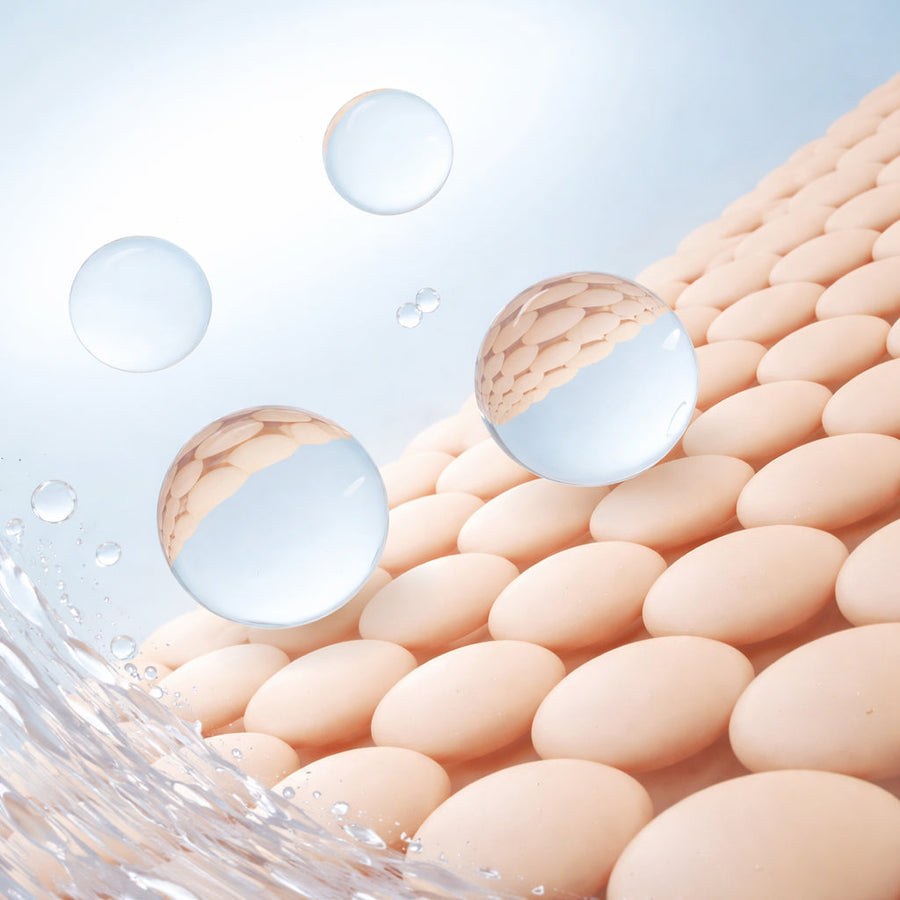
The outer layer of skin is usually described as bricks and mortar. The bricks are flattened, hardened cells; the mortar is a blend of lipids that seals the gaps between them, and ceramides make up roughly half of that mortar. Their job is structural. They hold water in and keep irritants out, which is a different career from sebum, the oil your glands produce to coat the surface.
Skin manufactures its own ceramides as new cells mature and rise. The versions used in skincare, Ceramide NP among them, are copies of those skin-identical lipids. Applying one is closer to repointing brickwork than to pouring oil on a fire.
Sebum and barrier lipids are separate systems
Sebum comes from sebaceous glands attached to each follicle and spreads across the surface from there. Barrier ceramides are assembled inside the epidermis itself as cells mature. Different structures, different purposes, and one being overactive says nothing about the other being adequate.
That is why a shiny face can still be a leaky one. Plenty of oily skin sits on top of a depleted barrier: quick to sting, tight after washing, flaky in patches underneath the shine. Oil on the surface, drought below it. The pattern is common enough to have its own name and its own article: oily but dehydrated skin.
How oily skin ends up with a disturbed barrier
Mostly through effort. The standard response to shine is a strong foaming cleanser morning and night, sometimes an alcohol-heavy toner after it, and no moisturizer at all, on the logic that the skin is producing enough grease of its own.
Each wash removes sebum, which was the goal, and a little of the lipid mortar, which was not. The glands are unmoved. They take their instructions from hormones, not from how stripped the surface feels, so the oil comes back on schedule while the barrier slowly loses its seal. Skin that feels squeaky and tight an hour after cleansing, then shines harder by mid-afternoon, is usually describing this cycle rather than proving it needed a stronger wash.
Rebuilding is undramatic: milder cleansing, fewer actives for a while, and lipids put back rather than scrubbed away. The full sequence is in the skin barrier repair guide.
Texture clogs pores, not the ceramide
Comedogenicity, the tendency to block pores, is a property of a finished formula, not of one ingredient used at a fraction of a per cent. A ceramide can arrive in a gel-cream that disappears in a minute, or in a dense balm carried on butters and waxes. Oily skin's quarrel is with the second texture, never with the lipid inside it.
So the practical filter is simple. For oily skin, take ceramides in water-light formats: gel-creams, lotions, serums. Leave the rich balms and overnight masks to skin that genuinely runs dry. Read the texture first and the ingredient list second, and the category stops being confusing.
What to expect, honestly
Modest, cumulative things. Less tightness after cleansing. Less sting from products that used to feel neutral. Often, gradually, less of the rebound shine that over-stripped skin produces, because the skin is no longer being provoked into compensating. Skin replaces its outer layer on a roughly four-week cycle, so barrier changes arrive quietly and on the skin's schedule, not the product's.
What ceramides will not do is lower sebum output. The glands answer to hormones. If shine itself is the main complaint, niacinamide has some modest evidence on that front, but it is a separate conversation from barrier repair, and no moisturizer of any kind switches a gland off.
When this is not the answer
- Inflamed, persistent acne belongs with a doctor. A plain ceramide moisturizer usually sits comfortably alongside prescription routines, but ask the prescriber rather than assuming.
- If a ceramide product broke you out before, look at its base before blaming the ceramide. A butter-heavy balm and a light gel-cream share an ingredient, not a risk profile.
- Ceramides are not an exfoliant and will not clear congestion that already exists. They maintain the wall; they do not unblock the drains.
Where it sits in the Cham range
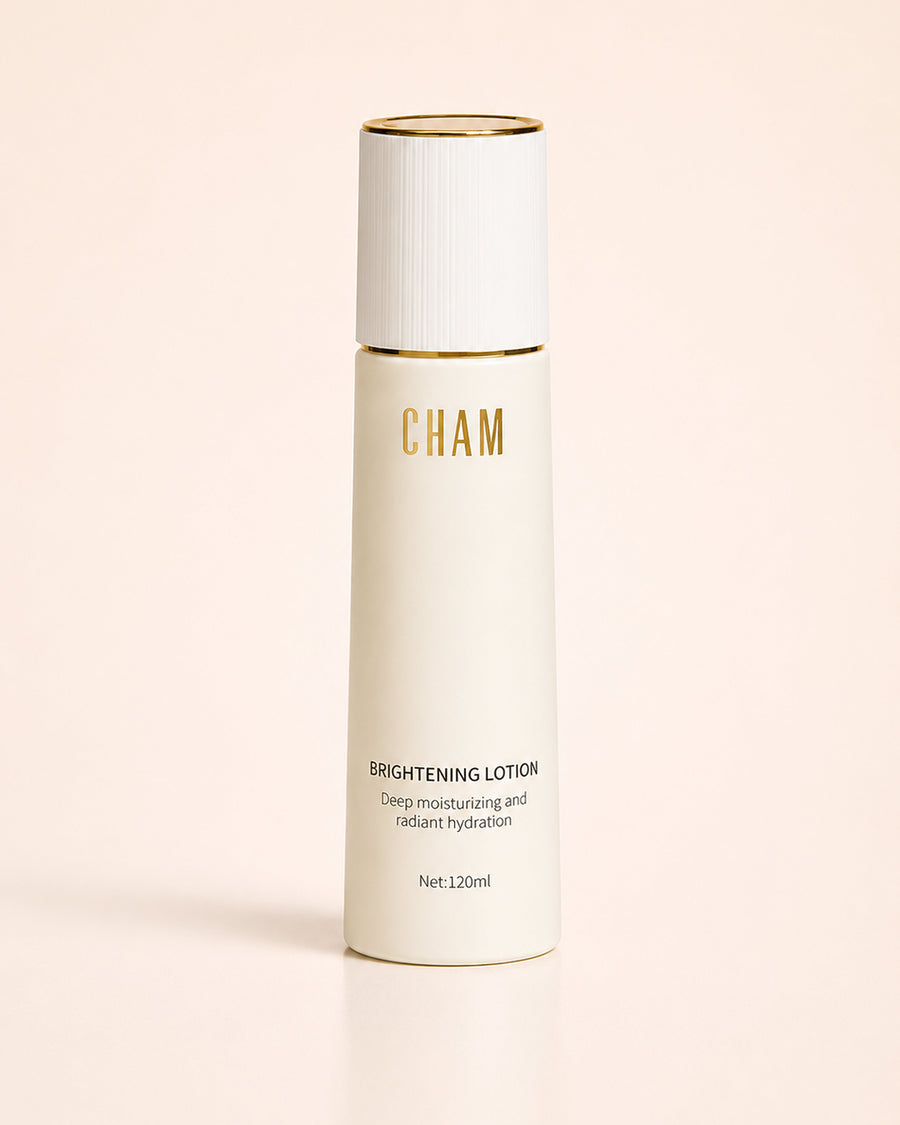
Ceramide NP is in the Brightening Face Cream, a light daily emulsion rather than a balm, alongside niacinamide, centella asiatica and sodium hyaluronate. The same lipid runs through the face and body serum and the body lotion, so the range keeps its ceramides in lighter textures throughout. Cham makes no rich balm, no exfoliating acids and no toner. Every product page carries its full ingredient list, which is the reliable place to check both texture and contents before deciding.