Combination skin is the most common skin type and the one most often handled badly. People buy for the oily part or for the dry part, and the rest of the face pays for it.
What it is
The forehead, nose and chin have more oil glands than the cheeks, and larger ones. Everyone has this difference. In combination skin it is wide enough to see: shine and visible pores down the centre by midday, with cheeks that stay comfortable or turn dry.
It is ordinary anatomy and needs no fixing. The aim is a face that feels even, and that takes less effort than the product aisles suggest.
Checking that it really is combination
The bare-face test is the starting point: wash, apply nothing, and look after an hour or two.
Two things pass for combination skin and are not. The first is oily skin that is dehydrated, where the whole face produces oil and still feels tight. The second is a face made patchy by its own routine. Cheeks dry out more easily than the forehead, so a harsh cleanser or an acid used all over dries them first while the centre carries on as before.
Season moves it too. Plenty of faces are combination in winter and plainly oily in the monsoon, so the test is worth repeating when the weather turns.
One routine, applied unevenly
Two full sets of products for two halves of a face is the usual advice and almost nobody keeps it up. One set, used in different amounts, does the same job.
Cleanser. Use one gentle, low-foam cleanser on the whole face and choose it for the cheeks. The centre copes with a mild wash far better than the cheeks cope with a strong one. Types of facial cleanser compares the formats.
Hydration. A light, water-based layer suits every zone. Oily and dry areas are both short of water more often than people expect.
Moisturiser. Same product, different quantity: a thin film over the centre and a proper layer on the cheeks. In humid months a gel may be enough everywhere, and in dry months the cheeks will want a cream. The format finder helps with that choice, and oily skin still needs moisturiser explains why the nose should not be skipped.
Actives by zone. Salicylic acid or a clay mask belongs only where the oil is. Keeping them off the cheeks avoids most of the dryness people blame on their skin type.
Sunscreen. Whole face, in a texture the centre can tolerate, because a sunscreen you dislike is one you will apply thinly.
What goes wrong
The usual mistake is stripping the centre. Foaming washes, alcohol toners and repeated blotting leave the forehead and nose tight without lowering how much oil they make, so the shine is back by the afternoon with irritation added. The cheeks, which never had oil to spare, flake.
The opposite mistake is a rich cream spread everywhere to rescue the cheeks, followed by clogged pores along the nose and chin.
Mattifying products made for the whole face cause the first problem with better marketing.
Pores and shine
Pore size is set by genetics and by how much oil passes through, and pores do not open or close. Niacinamide has modest evidence for steadying oil output over a couple of months, which makes the centre look calmer without drying the sides. Whether a serum can shrink pores sets out how far that goes.
Where the Cham range fits
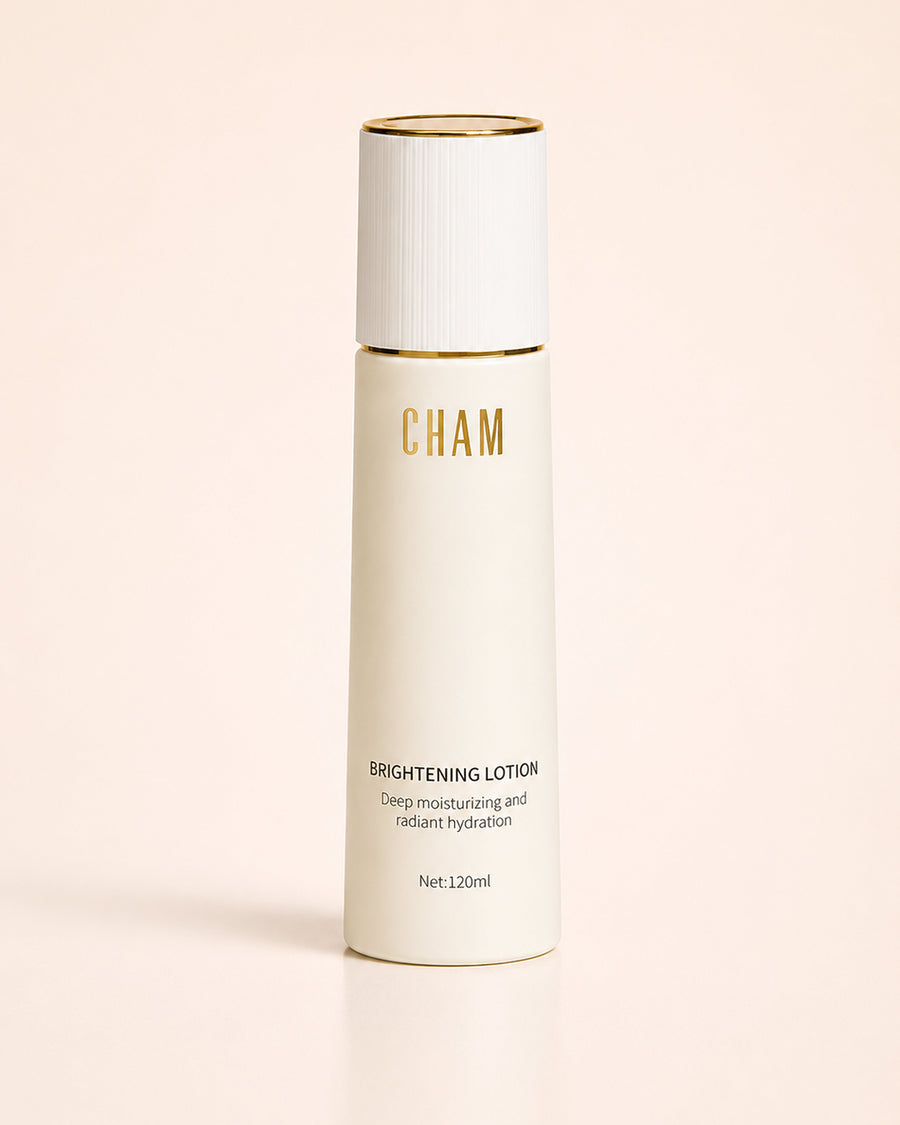
The Brightening Face Wash is a low-foam cleanser, and the Brightening Face and Body Serum is water based with niacinamide, so both suit the whole face. The Brightening Face Cream is the one to apply by zone: generously on the cheeks, lightly or not at all down the centre in humid weather.
Cham makes no clay mask and no salicylic acid product. If the centre of your face needs one, it sits alongside these without conflict.