Walk through any cleanser aisle and the categories are gel, foam, cream, milk, oil, balm and micellar water. They sound like seven different products. Functionally they are four jobs done by two or three kinds of ingredient, and the format tells you roughly how aggressive the result will be without telling you anything definitive.
The word on the front also varies by country rather than by contents, which is why cleanser and face wash are worth separating before the formats make sense.
What the format implies
Gel. Clear or translucent, usually water-based with synthetic surfactants, and it may or may not foam depending on the system. Gels suit oily and combination skin, and in humid weather they suit almost everyone, because they rinse cleanly and leave nothing behind.
Foam and foaming wash. A foam is a gel or cream that has been formulated to lather, either in the hand or through a pump. The lather is a formulation choice rather than a measure of strength, which is the most common misreading in this whole category. A gentle wash can foam beautifully, and a stripping one can barely foam at all. What matters is what is doing the cleaning, not how much air it holds.
Cream and milk. Opaque, lower in surfactant, higher in emollient. These clean by dissolving and lifting rather than by lathering, and they leave a faint film behind on purpose. They suit dry skin, mature skin and anyone whose face feels tight after washing. They also struggle with a full face of sunscreen on their own.
Oil and balm. These work on the like-dissolves-like principle: oil lifts oil, including sunscreen, makeup and the day's sebum. Most are emulsifying, so they rinse off with water rather than needing a cloth. They are the first step in double cleansing, and on a day with no makeup and no sunscreen they are usually unnecessary.
Micellar water. Surfactant molecules suspended in water, applied on a pad, no rinsing required by design. Useful for a quick removal, for travel, and for skin too reactive to tolerate a wash. Less useful as a daily cleanser, because what does not get rinsed stays on the face, and the residue is exactly what causes the mild irritation people then blame on their serum.
Matching format to skin
Start from how skin behaves after washing rather than from what it is called.
If it feels tight, squeaky or slightly stinging afterwards, the cleanser is too strong regardless of format, and moving to a cream or low-foam gel is the fix. That tightness is not cleanliness, it is a barrier reporting damage, and skin barrier repair covers what follows if it continues.
If skin feels coated or looks shinier an hour later than it should, the cleanser is leaving too much behind and a gel will suit better.
If skin is oily but tight at the same time, the answer is not a stronger wash. Oily but dehydrated skin is one of the most common misdiagnoses in cleansing, and it is usually caused by the wash itself.
Combination skin does not need two cleansers. It needs a middle-strength one and a moisturiser that handles the dry areas afterwards.
What changes the answer
Season changes it more than skin type does. A gel that suits July may leave skin tight in December, and swapping format twice a year is more sensible than persisting with one.
Sunscreen changes it. A face carrying a full application of mineral sunscreen is not coming clean with micellar water on a pad, and that is a common reason for congestion in people whose routine otherwise looks careful.
Water changes it too. Hard water leaves soap residue and makes any cleanser feel harsher than it is, which is worth knowing before blaming the bottle.
The part the format does not tell you
Two gels with identical textures can behave completely differently depending on their surfactants. Soap and sulphates at high levels strip more than gentler systems, which is the actual variable, and it is not printed on the front. Face wash against soap is the clearest version of that difference.
The practical shortcut, since ingredient lists are hard to read at a shelf: trust your skin over the label after a week of use, and be suspicious of any cleanser that promises to do more than clean. A wash is on the face for under a minute, and no active does much in that time.
The format finder walks through the same question for the rest of a routine, including whether a serum, a cream or a lotion is the right vehicle once the cleansing step is settled.
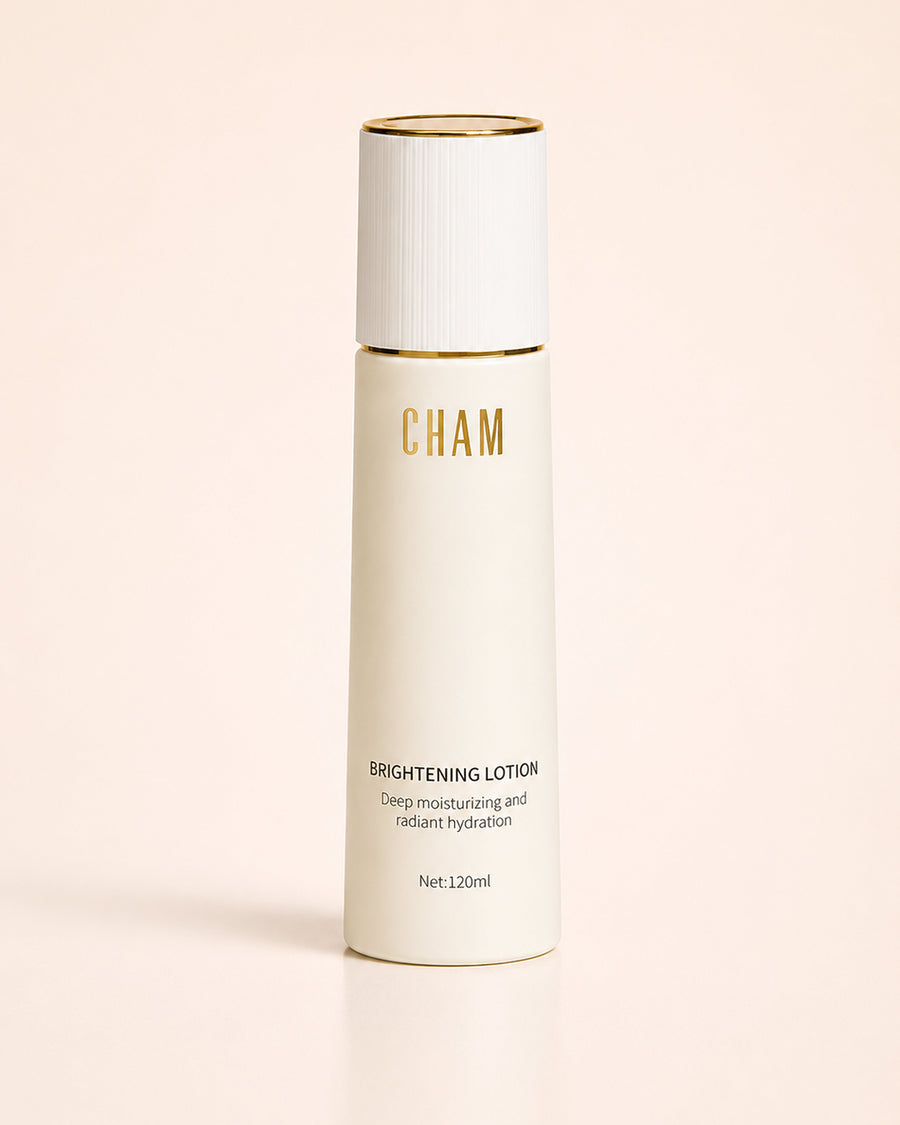
Cham makes one cleanser, a low-foam wash built on niacinamide, Rosa damascena flower water and hydroxypropyl tetrahydropyrantriol, which puts it in the gentle gel category rather than the foaming one. If your skin has been fine with a strong foaming wash for years, there is no reason here to change it.