Stand in front of a shelf and the words look like a hierarchy. Lotion sounds lighter and cheaper, cream sounds richer and more serious, and somewhere in between sits a jar labelled moisturising cream that seems to want credit for both. Almost none of that is real. The words are marketing conventions layered on top of a single physical variable, and once you know the variable the shelf makes sense.
The variable is water
Nearly every moisturiser is an emulsion: oil and water forced to coexist with the help of an emulsifier. What separates the categories is the ratio.
A lotion holds more water and less oil. It pours, spreads thin, sinks in fast, and once the water has evaporated it leaves a relatively small amount of material behind. A cream holds less water and more oil. It does not pour, it sits where you put it, it takes longer to disappear, and it leaves more behind. Between them sits everything the industry calls an emulsion, a milk or a fluid, none of which are defined terms either.
That is the whole distinction. Not potency. Not quality. Not price. Two products can share an ingredient list almost line for line and land in different categories purely on how much water the formulator chose to include.
Which means the names are not regulated
There is no legal threshold a product must cross to call itself a cream rather than a lotion. Brands pick the word that fits the shelf they want to sit on, which is why you will find thin creams and thick lotions, and why "moisturising cream" and "body lotion" can describe the same trade in different fonts. If you want to know what a product will actually feel like, the label word is weaker evidence than the position of water in the ingredient list and how far down the oils and butters appear.
The same non-regulation applies to the word moisturiser, which is a function rather than a format. A lotion is a moisturiser. So is a cream, an ointment, a gel and a facial oil. Whether body lotion counts as a moisturiser is a question about vocabulary rather than about skincare.
What the ratio buys you
More oil means more occlusion: a heavier film that slows the rate at which water escapes from the skin's surface. For genuinely dry skin, skin in winter, skin on the hands and feet, or a barrier in recovery, that film is the point, and a lotion will feel pleasant and stop working several hours before you want it to.
More water means faster absorption and less residue, which matters for skin that produces plenty of its own oil, for large areas like arms and legs where a cream is simply tiring to apply, and for anything going under makeup or sunscreen. Oily skin still needs the water, as its own post argues. It usually does not need the oil.
There is a third element that gets forgotten in the cream versus lotion argument entirely: humectants. Glycerin, sodium hyaluronate and their relatives pull and hold water in the upper layers, and they work in both formats. A well built lotion with good humectants will out-hydrate a poorly built cream, which is the clearest evidence that the format is not the quality signal it gets taken for. Hydration and moisturisation separates those two jobs properly.
Face and body are a real difference, unlike cream and lotion
The distinction actually worth respecting is not the texture word on the front but which part of the body the formula was designed for. Facial skin is thinner, more densely populated with oil glands, more prone to blocked pores and considerably more likely to react. Body formulas are frequently built with heavier occlusives and more fragrance, on the reasonable assumption that the skin receiving them is tougher.
That is why using body lotion on the face is a genuine question with a genuine answer, and why "can I use this cream on my body" is usually only a question about how quickly you want to finish the tub.
Choosing without overthinking it
Match the format to the skin and the season, not to the price. Skin that feels tight hours after washing, flakes, or looks dull in a dry month wants the richer end. Skin that turns shiny by afternoon, or that has to wear sunscreen and makeup over the top of whatever you apply, wants the lighter end. Most people need both at different times of year, and quite a few need one on the face and the other from the neck down.
For the whole shelf rather than this one pair, the format finder puts cleanser, face wash, serum, cream and lotion side by side and narrows them in three questions.
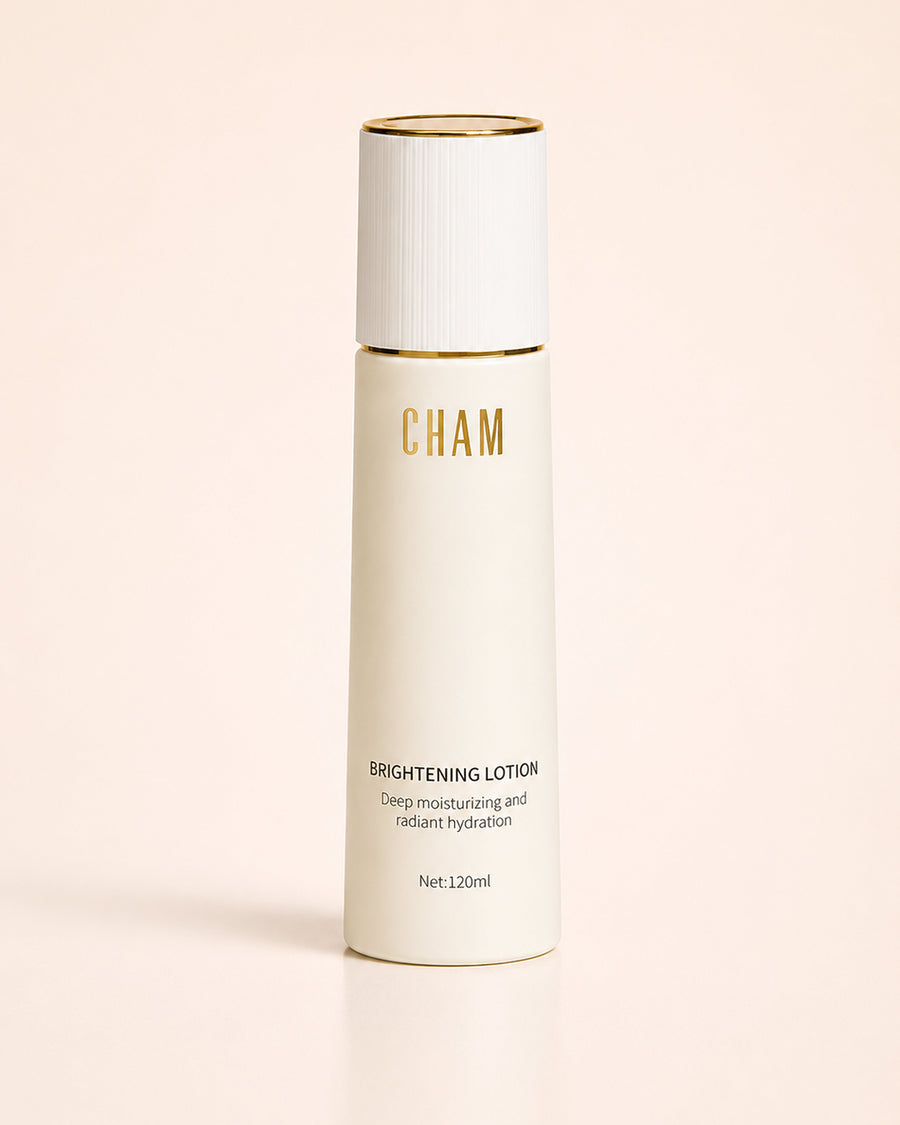
The Cham range takes the second route deliberately. The face cream sits at the lighter end of cream for daily wear under other things, the body lotion is built for area coverage, and the serum between them is neither, because serum, moisturiser and cream are answering different questions altogether.