Patch testing is the rare piece of skincare advice with no counterargument: it costs nothing, asks two minutes and some patience, and its worst outcome is a small itchy rectangle on the forearm instead of a reactive face the week before an event. Almost everyone endorses it and almost nobody does it, because a new product creates its own urgency. The procedure below is the practical version, tuned to what it can honestly tell you.
The method
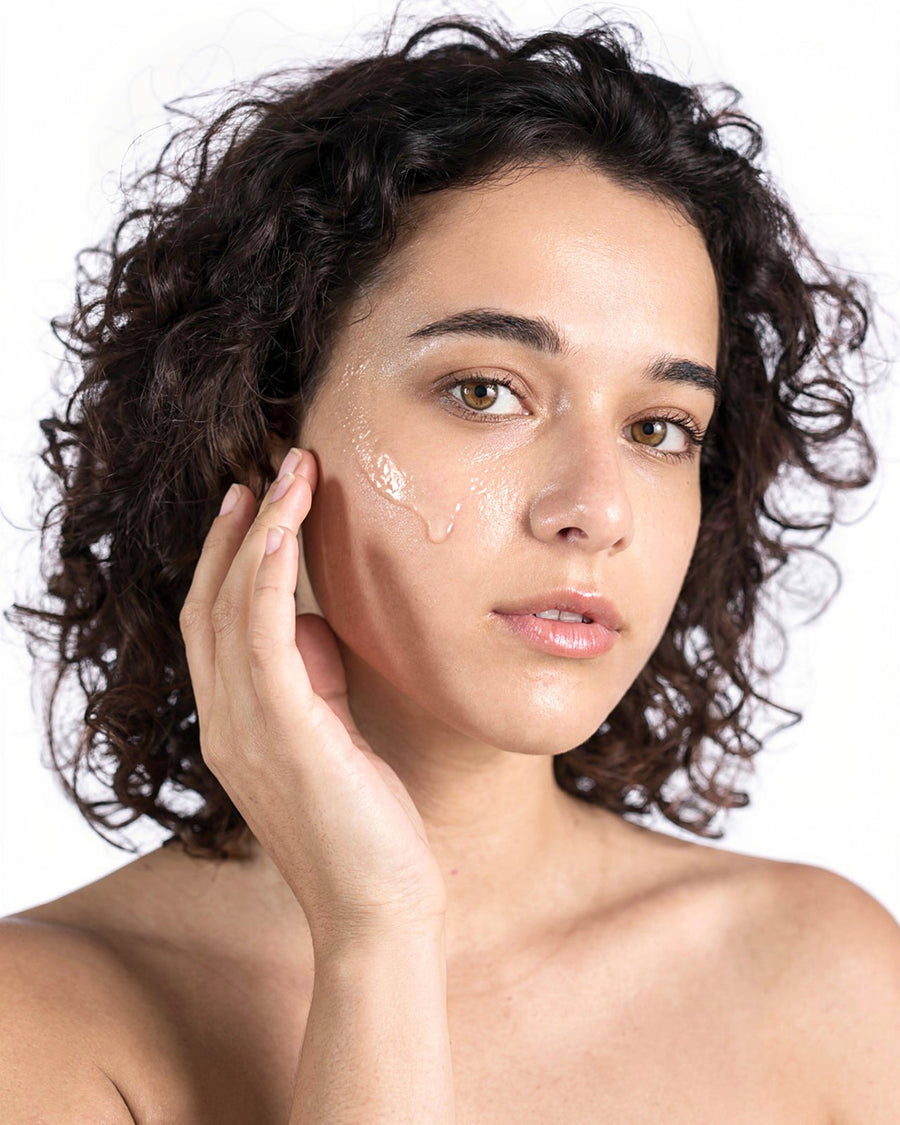
Choose a test site that is discreet but reasonably representative: the inner forearm is the standard, the skin just behind the ear or at the edge of the jaw is a closer match to facial behaviour. Apply a small amount of the product, coin-sized area at most, to clean skin. Let it absorb or dry as it would in real use.
Then repeat, once or twice a day, on the same patch, for several days. The repetition is the part casual patch testing misses. A single application answers only the loudest question, immediate irritation, and most product disagreements are quieter than that: they build with repeated exposure as the skin's tolerance or the immune system's attention shifts. The same-spot rule matters because it concentrates the exposure the way daily face use would.
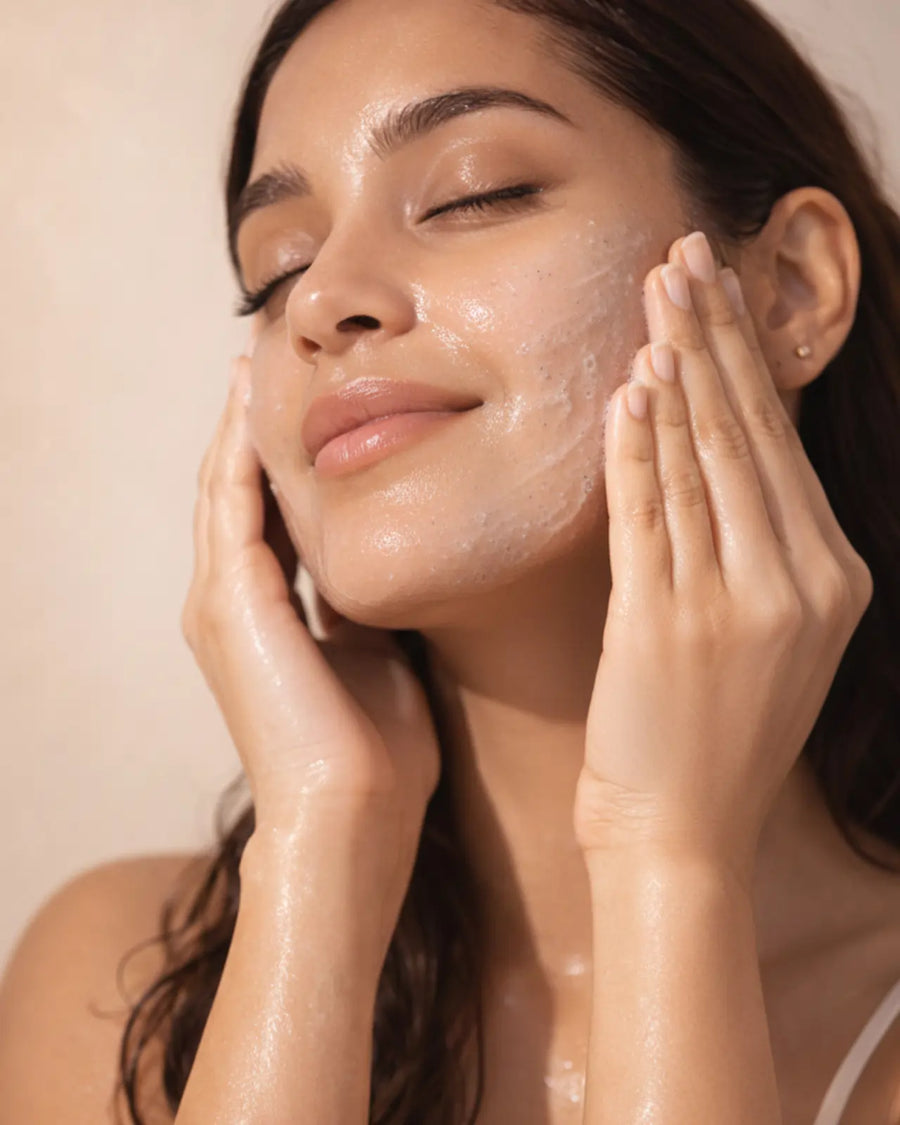
For leave-on products, apply as normal and leave it. For rinse-off products such as a face wash or a mask with a set wear time, mimic the real conditions: apply, wait the label's duration, rinse, and judge afterwards. A wash tested as a leave-on will fail unfairly; surfactants were never meant to sit for hours.
Reading the result
A reaction worth respecting includes redness that arrives and stays, itching, stinging that builds rather than fades, small bumps, dryness or flaking concentrated in the test patch, or any swelling. Compare against the surrounding skin; the patch should be indistinguishable from its neighbourhood at the end of the test.
Distinguish, though, between sensation and reaction. Some ingredients announce themselves briefly by design or by pH, a fleeting tingle from a vitamin C formula being the classic case; a moment of awareness that fades and does not escalate across days is a sensation. Anything that intensifies with each repetition is a verdict, and the verdict does not soften on the face. The patch failed so the face does not have to; that is the whole transaction.
If the test stays quiet, promote the product to real use, ideally one new product at a time so that any later trouble has a clear suspect. The one-at-a-time rule does more diagnostic work over a year of skincare than any single test does.
What a clear patch test cannot promise
Honesty about the limits keeps the tool useful. A clear forearm does not fully guarantee a clear face; facial skin is thinner, oilier, and more exposed. A patch test also cannot foresee slow-developing allergy, the kind that appears after months of comfortable use, because sensitisation runs on the immune system's calendar, not the test's. It says nothing about whether a product will congest pores, a slow mechanical process outside the test's reach, which is why the non-comedogenic question gets its own treatment of expectations. And it cannot predict purging from turnover-accelerating actives, which is a whole-face phenomenon by definition.
What it does reliably catch is the largest and most preventable category of bad first weeks: straightforward irritant and early allergic responses to a formula that was never going to suit you. That is a good trade for a few patient days.
Who should consider it mandatory
Anyone with sensitive or reactive skin, an eczema history, or a record of products going wrong. Anyone recovering from a damaged barrier or a course of over-exfoliation, since compromised skin fails products it would normally pass. Anyone introducing a known-demanding category: acids, retinoids, fragranced products, or side-effect-prone actives. And anyone in the run-up to an occasion, when the cost of a facial misstep is at its maximum and the week of margin exists precisely to absorb a test.
The habit generalises past products from any one brand, this one included. Cham's formulas are built mild and every ingredient list is printed in full on the product pages, but mild is a population statement and your skin is a sample of one. The patch test is how the two get introduced properly.