The weeks when the monsoon withdraws are the sharpest skincare transition in the Indian calendar, and almost nobody adjusts for them. Humidity drops steeply, mornings turn dry, and a routine that worked perfectly through August starts leaving skin tight in October without anything having changed.
What actually changes
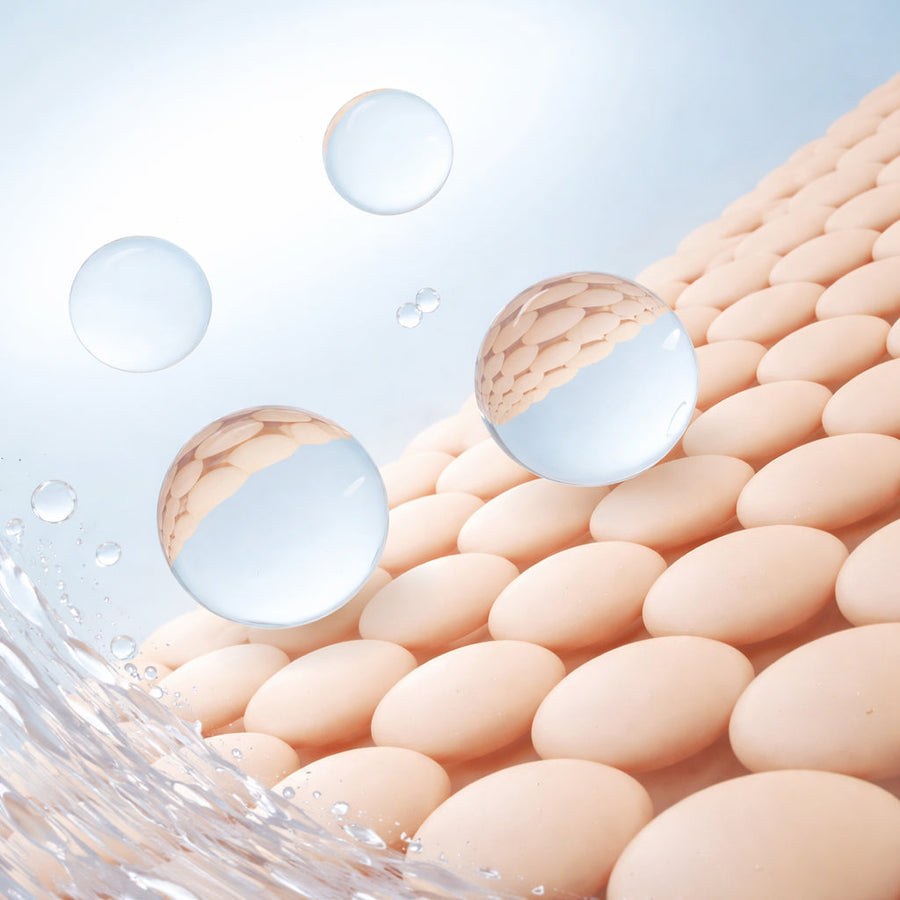
Air holds less water, so skin loses more of its own to the air. That loss is continuous and invisible, and it is the mechanism behind almost every complaint that arrives in the weeks after the rains stop: tightness after washing, flaking around the nose, makeup that clings to dry patches, and a general dullness that no amount of exfoliation improves.
Oily skin is not exempt. Dehydrated skin often produces more oil rather than less, which is why a face can shine and feel tight at the same time. Oily but dehydrated skin covers that loop, and post-monsoon is when it starts for a lot of people.
The second change is less obvious. Cloud cover drops, and clear skies raise ultraviolet exposure even as the temperature falls. Skin that felt protected through grey monsoon weeks is now getting more ultraviolet, not less, and pigmentation work that went well through the rains can quietly lose ground.
The two changes worth making
Move up a weight in moisturiser, not a whole category. A gel that suited humid weather usually stops being enough. The move is to a lotion, or from a lotion to a cream, and it is often only needed at night. Layering a light cream over the existing routine works as well as replacing it and is easier to undo in April. Cream against lotion covers what the two words actually mean in formulation terms.
Ease off the cleanser. A foaming wash that suited a humid August is the most common cause of post-monsoon tightness, because the same wash removes proportionally more from skin that has less to spare. Moving to a gentler format, or to once a day with water in the morning, does more than adding a serum. Types of facial cleanser covers the formats.
Applying moisturiser to damp skin rather than dry costs nothing and matters more in dry air than in humid air.
What should not change
Sun protection. It is the single most common thing dropped when the weather cools, and the season it is dropped in is the one where clear skies raise exposure. Anyone working on pigmentation loses more ground here than anywhere else. Which SPF is enough for Indian skin and sunscreen in the monsoon cover the two halves of the year.
Actives, mostly. There is a temptation to start something new when skin starts misbehaving, and the misbehaviour is usually dryness rather than a pigmentation problem. Fix the hydration first and reassess a few weeks later, since a dry face and an uneven face look similar in a mirror.
The festive season problem
The weeks after the monsoon run straight into the festive calendar, and that creates a specific and avoidable mistake: starting a new active, a new mask or a course of parlour treatments shortly before an event.
New products need time to reveal a reaction, and reactions in deeper skin tones leave pigment that outlasts the occasion by months. Anything new should go on with weeks of runway, and how to patch test is a two-minute step that prevents the worst version of this.
The same logic applies at a larger scale to weddings, where the stakes and the number of new products are both higher. Planning skin care before a wedding covers the timeline.
Parlour facials and bleach in the week of an event belong in the same warning. What facial bleach does explains why the timing matters more than the product.
For pigmentation specifically
Autumn and winter are the better half of the year for pigmentation work in India, since ultraviolet exposure is lower than in summer even though it is not low. Melasma in particular tends to settle in these months and flare again from March, which is a pattern worth planning around rather than reacting to. The melasma season planner maps it out.
That makes the post-monsoon months a good time to be consistent rather than a good time to be aggressive. The gains come from months of the same thing, not from a seasonal overhaul.
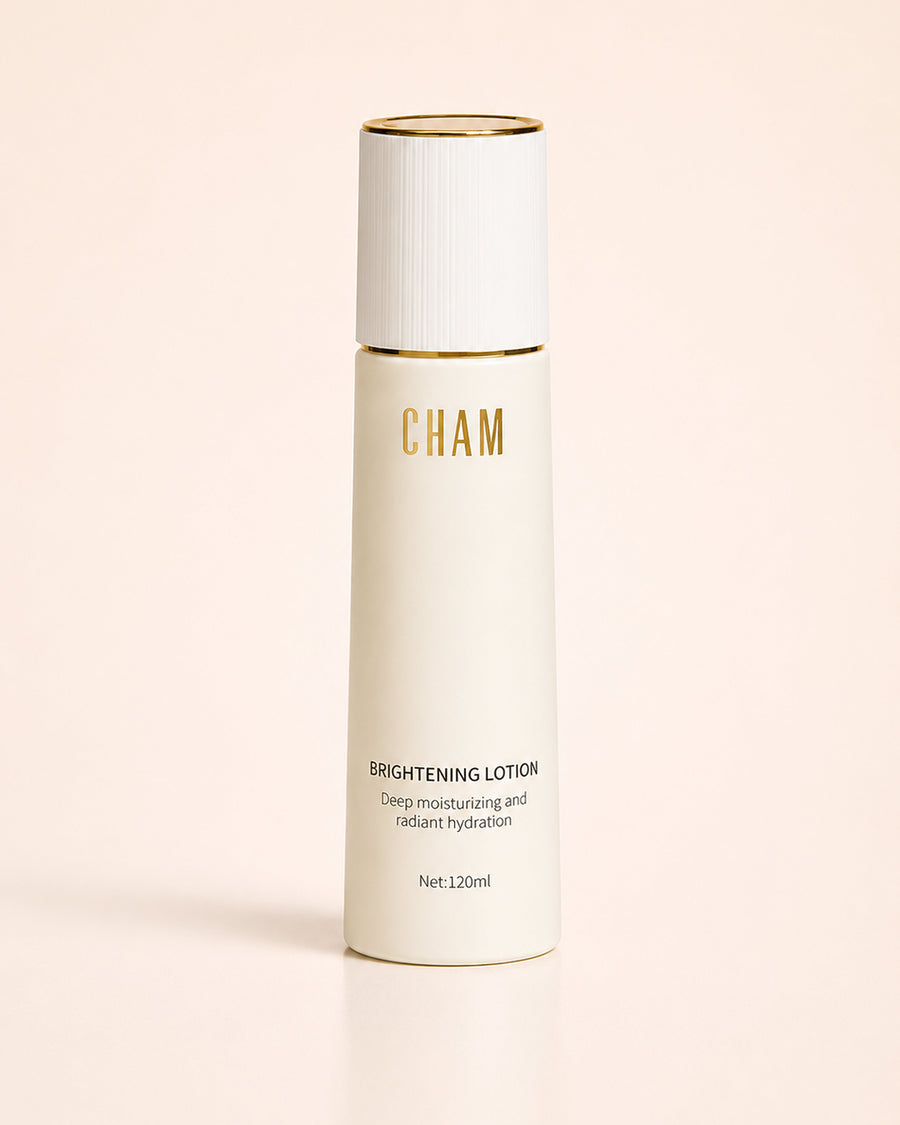
Cham's range does not change by season, which is a limitation worth naming: the Brightening Face Cream is light, and skin that runs dry may want something heavier over it through the coldest weeks. That is a reasonable thing to do and not a failure of the routine.